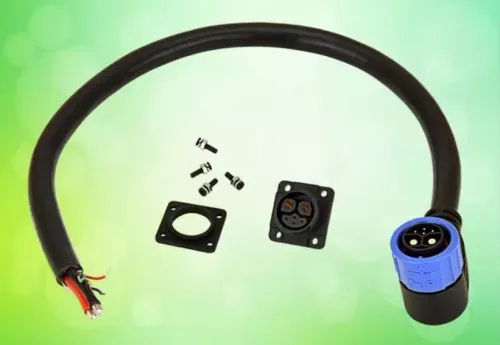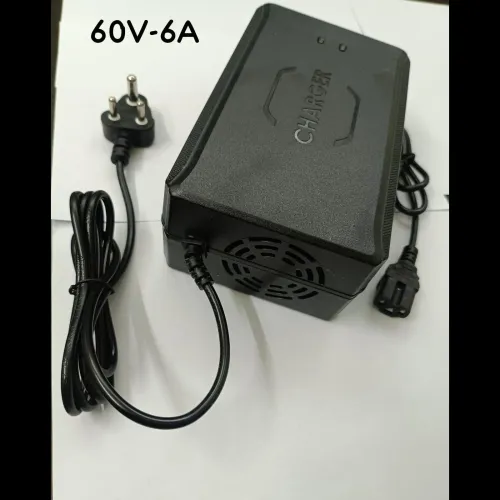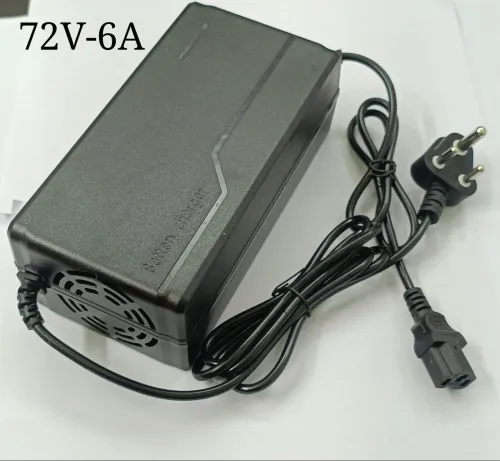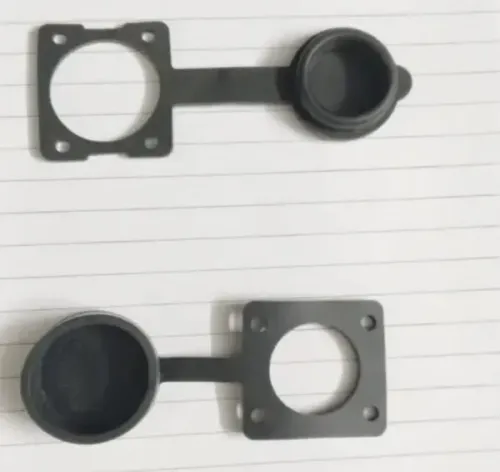
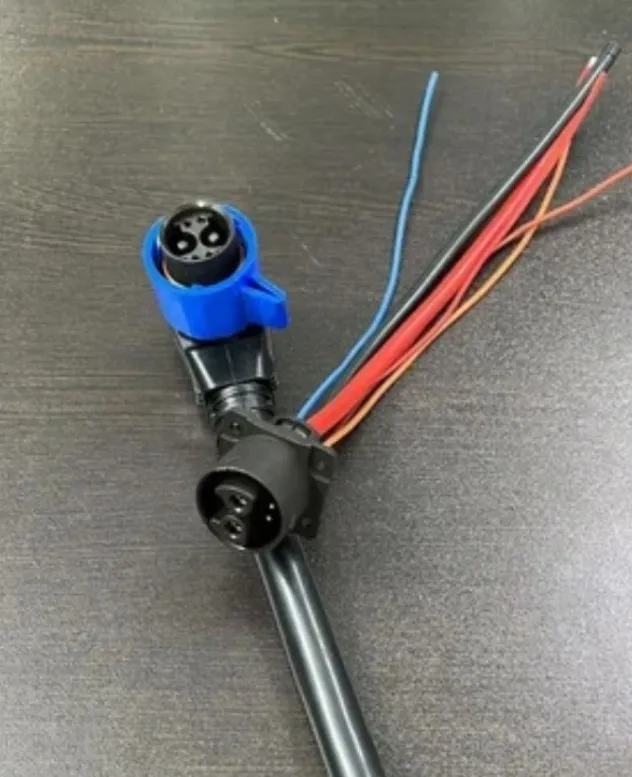
Electrical systems depend on connections that remain secure while carrying the required current between wires, components and devices. A wire connector provides a structured way to create these connections while supporting easier assembly, maintenance and replacement.
For electronics manufacturers, equipment assemblers and electrical businesses in Delhi, choosing the right connector can influence both production efficiency and long-term system reliability.
Digitech Sales supplies components for applications where connector configuration, wire size and electrical requirements need to work together correctly.
Why Are Wire Connectors Used?
Connecting wires directly may appear simple, but production environments generally require repeatable and serviceable connections.
Wire connectors can help:
- Organise electrical connections
- Reduce loose or inconsistent joints
- Simplify equipment assembly
- Make servicing and component replacement easier
- Support compact wiring arrangements
- Provide consistent interfaces between components
Their importance increases when equipment contains multiple circuits within limited space.
Connector Design Depends on the Application
There is no universal connector suitable for every electrical system.
A connector used inside consumer electronics may need to be compact and lightweight. Industrial equipment may require a more robust arrangement. Automotive and electric mobility applications can involve vibration, frequent operating cycles and demanding environmental conditions.
The selection process should therefore consider the complete operating environment.
Current and Voltage Ratings Matter
Every connector has electrical limitations. Using a connector outside its intended current or voltage range can lead to poor performance and excessive heating.
Before selecting a connector, buyers should check:
- Required operating voltage
- Expected continuous and peak current
- Wire size
- Number of circuits or pins
- Installation environment
- Required mating and unmating frequency
These factors help narrow down suitable connector configurations.
Mechanical Fit Is Equally Important
Electrical compatibility alone does not make a connector suitable.
The connector must fit within the available space and remain properly engaged during operation. Locking mechanisms may be useful where vibration or movement is expected.
Polarity and orientation should also be considered. A connector design that helps prevent incorrect mating can reduce assembly mistakes.
Wire-to-Connector Compatibility
The wire and connector should be treated as one electrical assembly rather than separate components.
Conductor size must suit the terminal, while insulation dimensions need to work with the connector housing and crimping arrangement. Incorrect combinations may create weak mechanical joints even when the connector itself is correctly rated.
Selecting Connectors for Delhi-Based Manufacturing
Delhi and the surrounding NCR region support a wide range of electronics, electrical equipment and mobility-related manufacturing activities. These businesses may require connectors for prototypes, production runs, replacement assemblies or customised wiring.
The most practical approach is to define electrical load, wire specification, pin count, installation space and environmental requirements before choosing a connector.
A carefully selected wire connector creates a small but critical link within the larger electrical system, helping manufacturers build assemblies that are easier to produce, maintain and integrate.
Keywords