A missing SB-75A contact is often a repairable termination fault, but only when the plastic housing, retention features, and cable remain sound. You will be able to identify the failure, select a matching contact, install it safely, and decide when the complete connector must be replaced.
Key takeaways
- Inspect the housing, mating connector, cable, and retaining feature before replacing parts.
- Match contact size, cable gauge, plating, and polarity before ordering an SB75A replacement.
- Crimp the new contact with the specified die and confirm it locks into the housing.
- Reject housings with heat damage, cracked plastic, loose contacts, or failed retention tests.
Decide whether the missing pin is the actual fault
A missing removable contact does not automatically condemn the connector. Isolate the battery and charger, then inspect the empty cavity, the mating half, and the cable. If the plastic body is intact and the contact retaining feature still works, replace the contact and re-terminate the cable rather than the complete housing.
Replace the housing when you find:
- Melted plastic, brown discolouration, or carbon tracking around any cavity
- A cracked body, broken key, damaged contact-retention shoulder, or distorted locking spring
- A cavity that lets an undamaged contact move, sink, or pull out
- A burned, pitted, badly bent, or overheated mating contact
A loose contact can create resistance and heat even when the housing looks clean. A new metal contact will not cure that fault.
For an SB 75A connector missing pin in Delhi, confirm the part before ordering. Check whether it is a genuine SB75 or a compatible copy, then compare the housing colour, pole count, rear markings, cavity shape, keying, and mating connector. Do not trust “75A” alone; it is often only a catalogue description.
Send the supplier photographs of both faces and backs, the mating half, cable outside diameter, conductor area or AWG, and the battery’s nominal voltage. Ask for the matching loose contact or repair kit, its wire-size range, crimp-tool requirement, material or plating, and traceable part number. A generic terminal that fits loosely is not a repair.
Identify the correct SB75 contact before ordering
Do not order a replacement from the name “SB75” alone. A genuine SB75 and a compatible copy can use different contact geometry, retention springs, and cable barrels. A search for “sb 75a connector without pin for repair in delhi” is only a starting point.
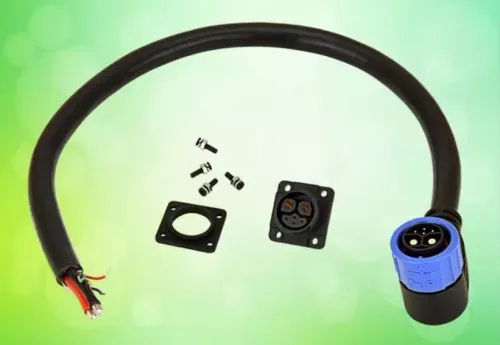
1. Photograph the connector face, rear, colour, number of cavities, keying shape, and any lettering moulded into the housing. Record whether it is a two-pole SB75-style power housing or a multi-pin variant. SB-style power connectors are genderless, so both mating halves use the same contact arrangement.
2. Measure the intact contact from the same connector, not from a catalogue image. Note its overall length, outside diameter or blade width, contact cavity shape, retention shoulder location, and the wire’s cross-section. Also record the cable’s insulation diameter and the crimp barrel size.
A contact that enters the cavity but has the wrong shoulder position can slide backward under load.
3. Compare the replacement with the intact contact and the mating half. Confirm that the housing colour and keying match, the contact reaches the same depth, and its locking spring engages the cavity’s retention ledge. A visually similar SB50, SB120, or generic 75-A contact is not interchangeable.
4. Ask a Delhi supplier for a traceable part number, compatible wire-size range, contact material or plating, and the required crimp tool. Request a loose contact or contact-and-housing repair kit, not merely an “SB75 pin.” Reject any part that leaves visible looseness or cannot be positively retained.
Remove the damaged contact and install the replacement
Do not remove an SB75 contact until the battery circuit is physically isolated and proven dead. Turning off the e-rickshaw key is not enough; the battery terminals can remain live.
1. Park securely, switch off the charger, remove the battery fuse or disconnect the battery plug, and follow the pack maker’s isolation procedure. Prevent reconnection while you work.
2. Set a correctly rated multimeter to DC voltage and verify zero volts between the connector contacts and between each contact and the vehicle chassis. Test the meter on a known live source before and after this check.
3. Photograph the wire position and connector face. Remove the loose, bent, or burned contact with the correct contact-removal tool; do not pry against the plastic cavity.
4. Inspect the housing. Replace it instead of fitting a new contact if you find melting, carbon tracking, cracks, discolouration, a loose cavity, damaged keying, or a broken retention shoulder. A new contact in burned plastic can still overheat.
5. Match the replacement to the SB75 housing, cavity shape, wire-size range, contact material, and specified crimp die. Do not substitute an SB50, SB120, generic terminal, bolt, copper strip, or cut-off contact.
6. Strip only the specified insulation length, insert the conductor fully into the barrel, and crimp with the approved tool. Do not solder unless the contact manufacturer permits it.
7. Push the terminated contact into the same cavity until its retention spring or shoulder clicks behind the housing stop. Pull the wire firmly by hand; it must not withdraw or sit farther back than its mate.
Test the repaired connector and reject unsafe housings
A repaired SB75A is ready for service only when the contact is mechanically locked and passes a loaded electrical check. Continuity alone is not proof: a damaged high-resistance contact can still pass a meter test.
- With the battery isolated, mate and unmate the connector fully; it must seat without forcing, and the replacement contact must not push backward when you pull the cable gently.
- Inspect the housing face, cavity and rear for cracks, melted plastic, carbon tracking, deformed guides or a damaged retention shoulder.
- Confirm the replacement contact sits at the correct polarity and position, with the keying matching the mating half.
- Check continuity and polarity, then measure voltage drop under the vehicle’s normal charging or drive load.
- Compare connector temperature with an identical sound connection under the same load. Stop the test if the repaired joint heats rapidly, discolours or smells of burning.
For e rickshaw connector maintenance in delhi, record the result rather than accepting a pass based on continuity. Never repeatedly connect or disconnect the plug while current is flowing; arcing can ruin a sound contact.
| Option | What it means | When it applies |
|---|---|---|
| Repair contact | Housing remains sound and retention works | Missing, removable contact with no heat damage |
| Replace housing | Contact and cable may be reusable | Cracked, melted, carbonised or distorted cavity |
| Replace complete connector | Both mating parts are suspect | Repeated arcing, severe overheating, wrong or incompatible housing |
A complete replacement is safer when the housing no longer grips the contact or its plastic has lost shape. Do not return it to service after a failed loaded test.
Source a traceable replacement in Delhi and prevent repeat failures
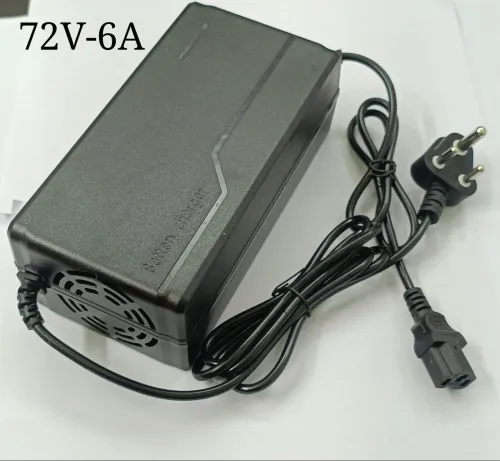
Send the supplier evidence, not just the vehicle description “e-rickshaw charger connector.” A Delhi supplier can match the part more reliably from clear photographs of both connector faces and backs, the mating connector, cable outside diameter, conductor size, battery nominal voltage, and the failure type: missing contact, overheating, or looseness.
1. Ask an SB 75A pin replacement supplier in Delhi to confirm whether your part is a genuine SB75 or a compatible copy. Provide the housing colour, number of positions, contact markings, cable cross-section, rear-housing marking, contact gender, and cavity position.
2. Request a loose replacement contact or a contact-and-housing repair kit with a traceable manufacturer part number. Obtain the compatible wire-size range, contact material and plating, required crimp-tool or die, insertion tool, retention method, and batch or invoice reference. “SB75 pin” alone can produce a generic terminal that fits loosely or cannot lock.
3. Before service, obtain the supplier’s fitting instructions, crimp inspection criteria, contact-retention check, and recommended inspection interval. Digitech Sales can help compare an exact SB-75A repair contact with a complete wired or replacement housing when the original plastic or terminal geometry is uncertain.
4. Record the repair date and part number. At scheduled e-rickshaw connector maintenance in Delhi, inspect for looseness, oxidation, heat discolouration, cable strain, and arcing; investigate warmth or voltage drop under load, because continuity alone can pass through a high-resistance contact.
Related products
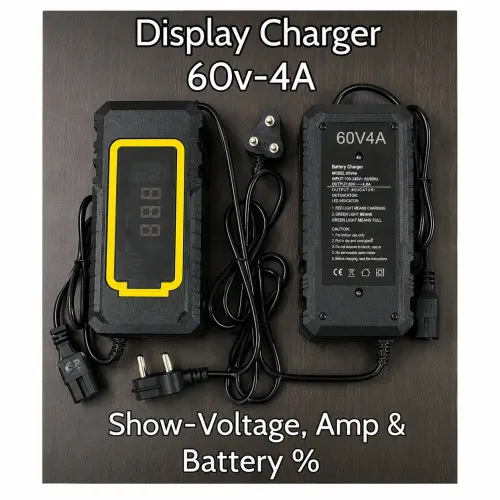
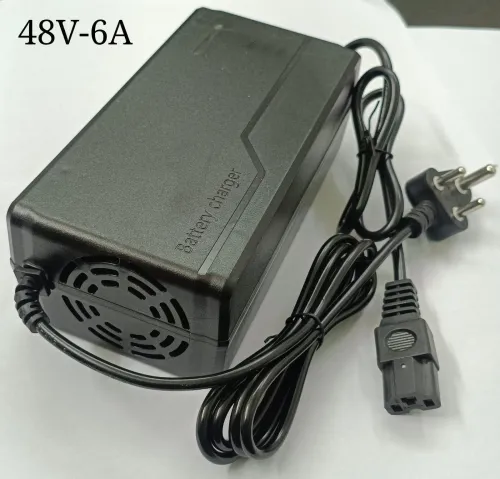
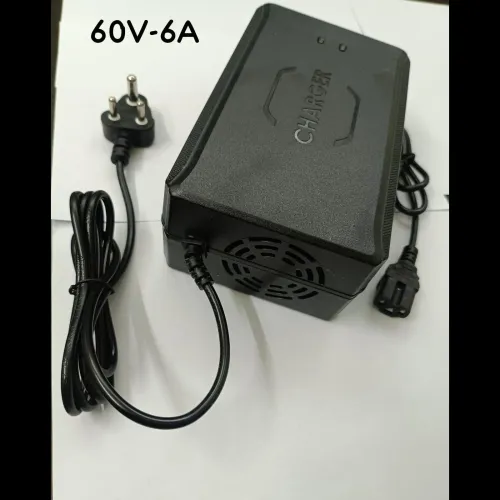
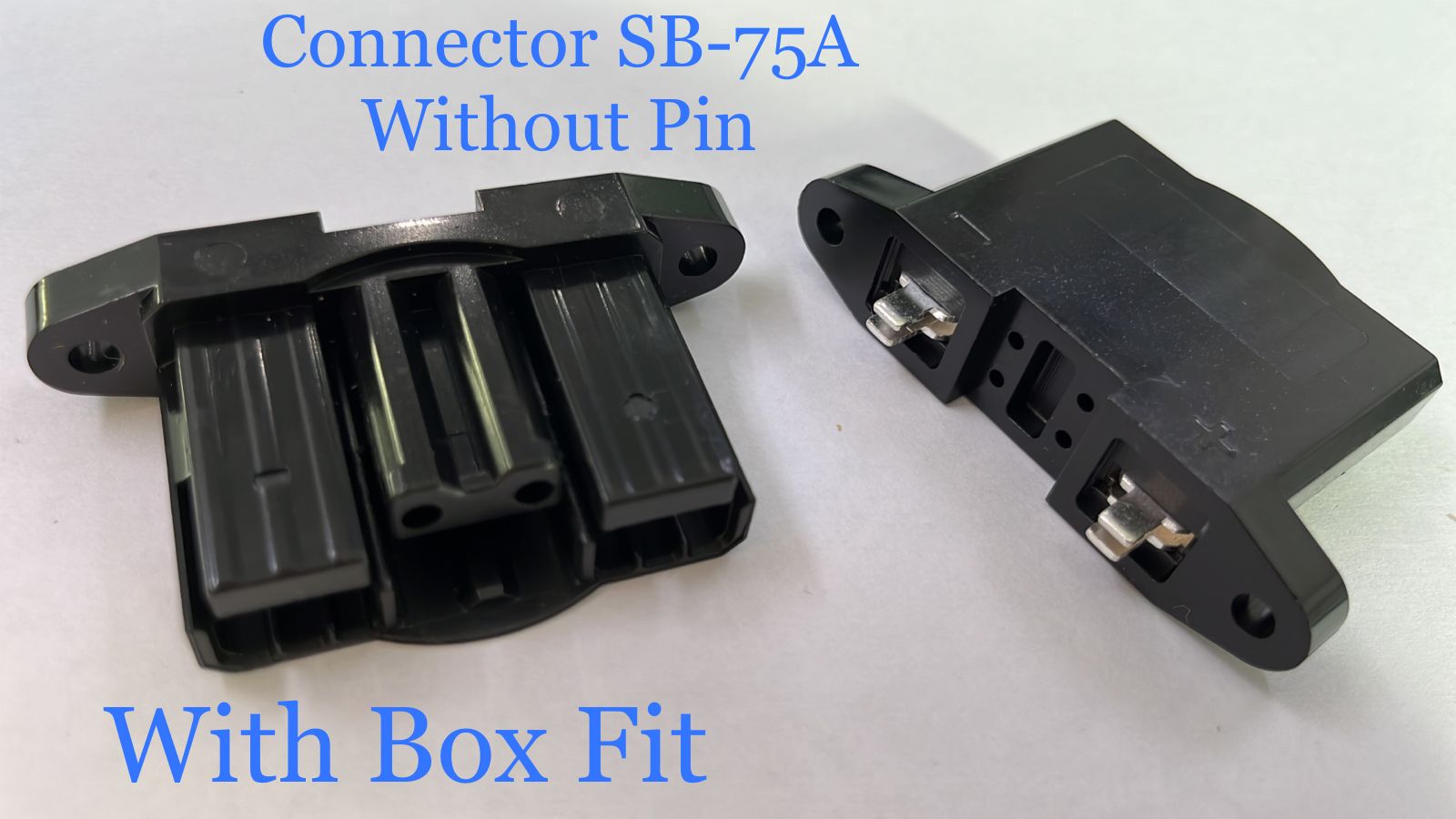 | CONNECTOR CONNECTOR SB-75A WITHOUT PIN FIX Digitech Sales offers reliable and high-performance E-rickshaw batteries, SMPS battery chargers, and wiring connectors designed to ensure smooth,... View product → |
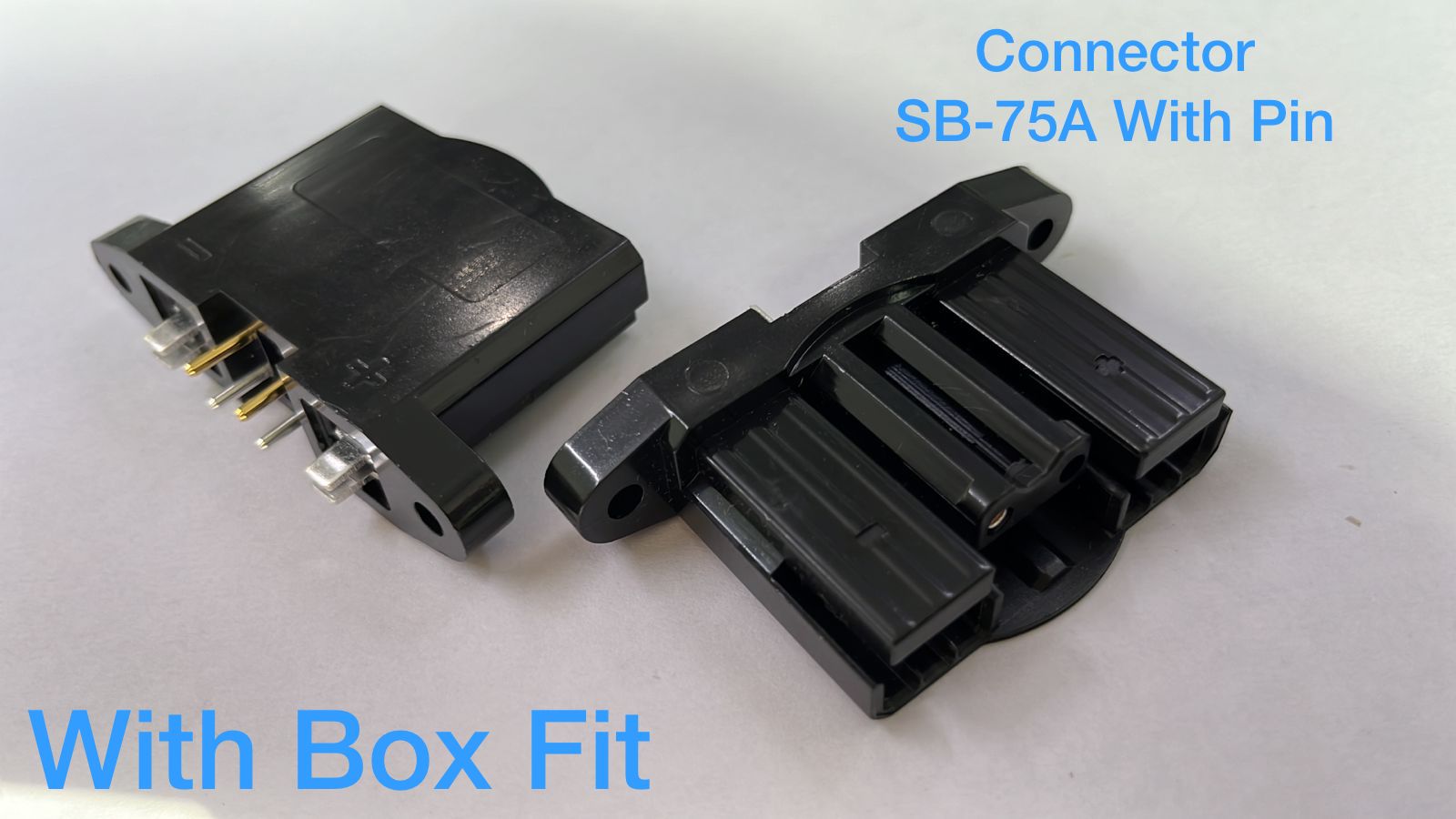 | CONNECTOR Digitech Sales offers reliable and high-performance E-rickshaw batteries, SMPS battery chargers, and wiring connectors designed to ensure smooth,... View product → |
Frequently asked questions
How do you decide whether a missing SB75A pin is the actual fault?
Isolate the battery and charger, then inspect the empty cavity, mating half, cable, and contact-retaining feature. Replace only the contact when the housing remains intact and retains the new contact securely.
How do you identify the correct SB75A contact before ordering?
Confirm the contact series, gender, cable cross-section, plating, and compatible housing. Match the replacement to the existing cable and the connector maker’s specifications rather than relying only on the SB75A name.
How do you remove and install a replacement SB75A contact?
Release the damaged contact with the correct extraction tool, cut back damaged cable, strip the specified length, crimp the replacement with the correct die, and push it into the housing until the retention feature engages.
When should you reject an SB75A connector housing after a pin failure?
Reject it when the plastic is melted, cracked, carbonised, distorted, or unable to retain the contact. Test continuity, polarity, contact retention, and heating under load before returning the vehicle to service.
Keywords