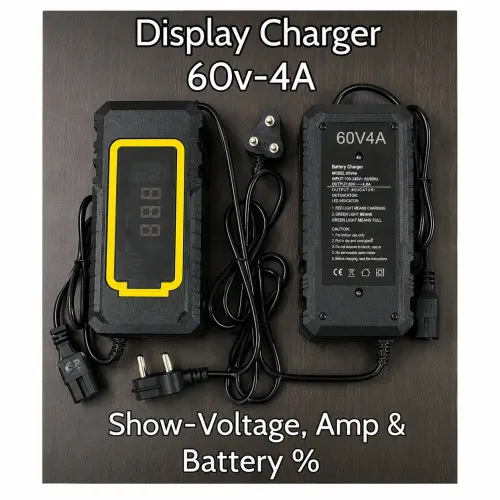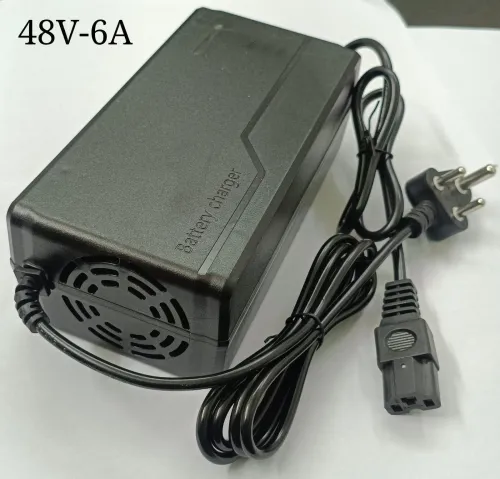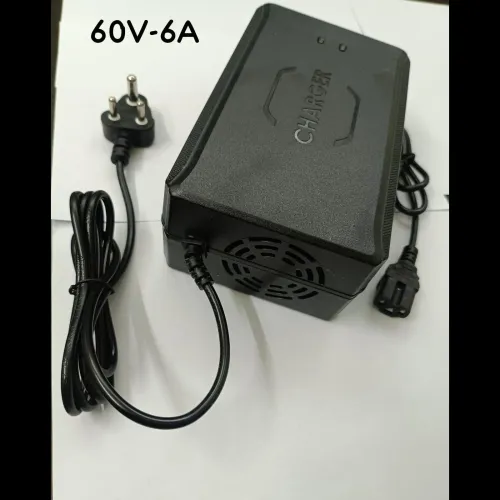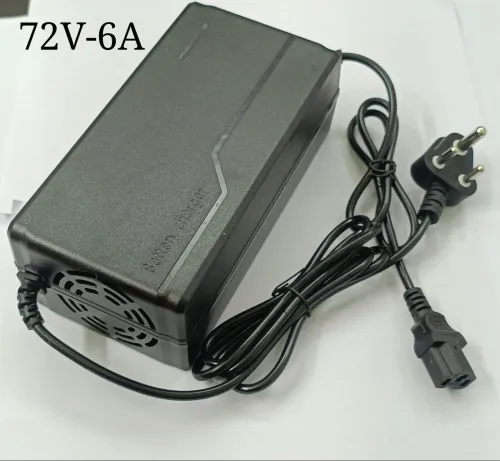
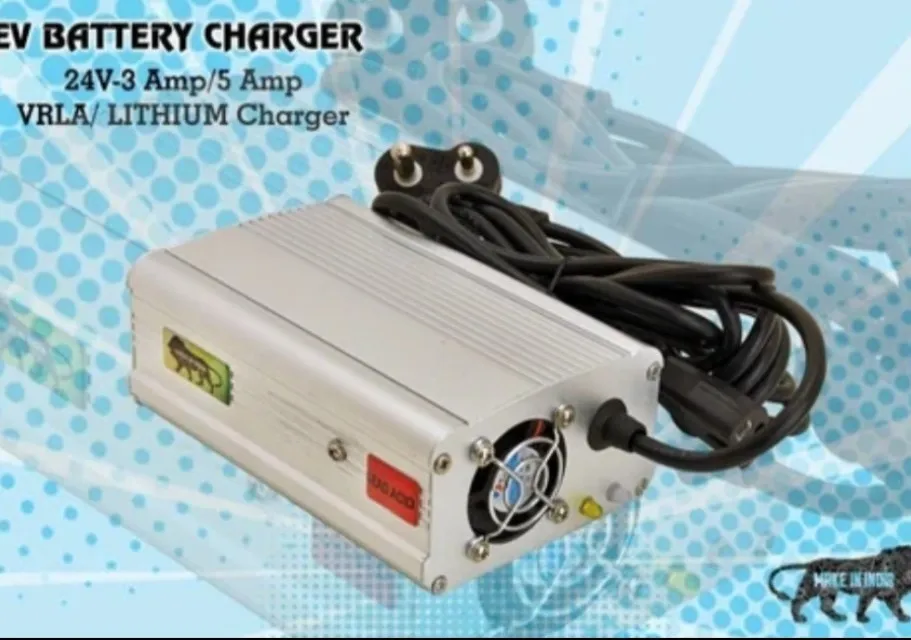
An SMPS battery charger uses switch-mode power conversion to provide controlled charging output in a comparatively compact and efficient format. These chargers are widely considered for electronic equipment, battery systems and applications where size, power conversion and output control are important.
However, two chargers with similar-looking specifications may behave differently when connected to a particular battery.
For manufacturers and equipment businesses in Delhi, Digitech Sales provides a relevant sourcing point for applications where charger specifications need to align with the battery and end equipment.
SMPS Chargers Compared With Conventional Designs
Traditional transformer-based charging designs can be relatively simple but may become bulky as power requirements increase.
Switch-mode designs operate differently, allowing power conversion at higher switching frequencies. Depending on the design, this can support smaller magnetic components and more compact charger construction.
An SMPS design may therefore offer advantages such as:
- Compact physical size
- Lower weight
- Efficient power conversion
- Controlled electrical output
- Easier integration into certain equipment designs
These benefits still depend on charger quality and correct application.
Match the Charger to Battery Voltage
Voltage compatibility should be checked first.
The charger's nominal description does not by itself provide all the information required. Buyers should verify its actual output characteristics and confirm that the charging profile suits the intended battery.
Using a mismatched charging voltage can affect charging performance and battery condition.
Do Not Select Charging Current by Speed Alone
A higher charging current can shorten charging time in some circumstances, but it should not automatically be treated as better.
Battery capacity, chemistry and manufacturer recommendations determine an appropriate charging range.
When comparing chargers, evaluate charging time alongside battery requirements rather than simply choosing the highest current specification.
Check Thermal Performance
Power electronics generate heat during operation.
The enclosure, ventilation arrangement, component quality and installation environment can all influence operating temperature. This is particularly relevant in Delhi, where equipment may operate under high seasonal ambient temperatures.
For enclosed installations, designers should consider whether surrounding equipment further restricts heat dissipation.
Examine Protection Requirements
Depending on the charger design, useful protection functions can include short-circuit, over-current, over-voltage or thermal protection.
The required features should be evaluated against the risks of the actual application.
For OEM integration, documentation and repeatability of specifications are also important because a charger may become a standard component across many finished units.
Compare More Than Purchase Price
A low initial price can become less attractive if a charger creates compatibility issues, assembly changes or frequent replacement requirements.
Evaluation should therefore include electrical suitability, physical dimensions, connector arrangement, thermal behaviour and expected operating conditions.
Delhi manufacturers sourcing SMPS battery chargers can reduce selection uncertainty by providing the battery specification and application requirements before finalising the charger. The goal is not simply to find a charger that powers on, but one that fits properly into the complete battery system.
Keywords