Wiring inside electrical equipment may be exposed to heat, repeated movement, confined installation spaces and changing operating conditions. Standard insulation is not always suitable for these environments, which is why silicone wires are used in many specialised electrical and electronic applications.
For manufacturers and equipment assemblers in Delhi, understanding where silicone-insulated wiring is appropriate helps prevent both unnecessary specification and unsuitable material selection.
Digitech Sales serves electrical and electronics requirements where wire flexibility, conductor size, insulation characteristics and operating conditions are important selection factors.
What Makes Silicone Wire Different?
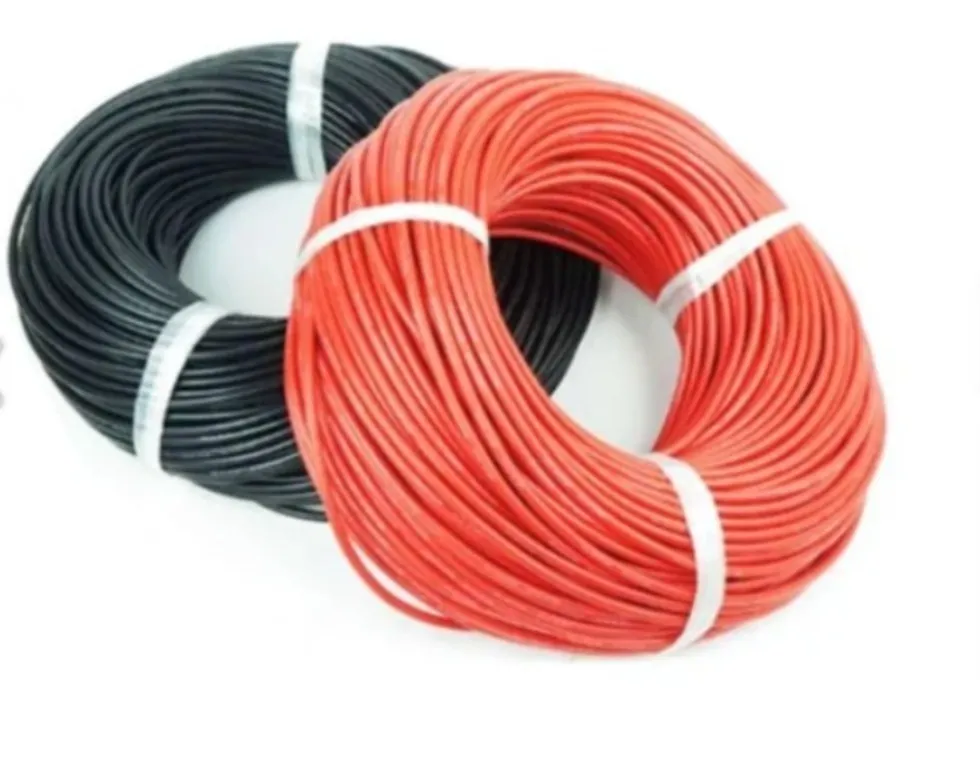
Silicone wire uses silicone-based insulation around the electrical conductor. One of its recognised characteristics is its ability to remain flexible across a relatively broad temperature range, although actual limits depend on the specific wire construction and manufacturer rating.
This makes it useful where conventional insulation may become unsuitable because of heat or repeated bending.
Common characteristics can include:
- Good flexibility
- Heat resistance
- Electrical insulation
- Suitability for compact routing
- Resistance to certain environmental stresses
Exact performance should always be verified from the product specification rather than assumed from the insulation material alone.
Where Is Silicone Wire Used?
Silicone-insulated wires can be found in applications such as electronic assemblies, battery systems, power equipment, lighting products, appliances, test equipment and certain automotive or electric mobility systems.
They are particularly useful where wiring needs to pass around components or through confined areas.
Flexible insulation can also make assembly easier when wires need to be routed through complex internal layouts.
Temperature Rating Requires Attention
Heat resistance is one of the main reasons buyers consider silicone wire, but the required rating should be determined by actual operating conditions.
Consider both normal temperature and possible temperature rise caused by nearby components or electrical load.
A wire should not be selected solely because silicone insulation is associated with high-temperature applications. Conductor construction, insulation thickness and manufacturer specifications also influence its operating limits.
Choosing the Correct Conductor Size
Wire size should match the current requirement of the circuit.
An undersized conductor can experience excessive heating, while unnecessarily large wire can increase cost, weight and installation difficulty.
When evaluating wire size, manufacturers should consider:
- Continuous operating current
- Peak current
- Cable length
- Acceptable voltage drop
- Ambient temperature
- Installation method
These variables become particularly important in battery-powered and higher-current systems.
Flexibility Can Improve Assembly
Manufacturers sometimes focus entirely on electrical ratings while overlooking production practicality.
A flexible wire can simplify routing, termination and installation in compact assemblies. This can be useful for Delhi-based OEMs producing electronic devices, chargers, control equipment and mobility products where internal space is limited.
Selecting Silicone Wire Properly
The right wire should balance electrical, thermal and mechanical requirements.
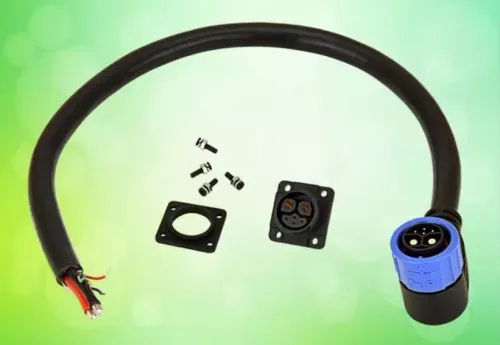
Before procurement, define conductor size, insulation rating, required flexibility, operating temperature and termination method. If the wire will be supplied as part of an assembled harness or connector-with-wire arrangement, connector compatibility should also be checked.
Selecting silicone wire based on the complete application rather than a single characteristic leads to a more practical and dependable wiring solution.
Keywords