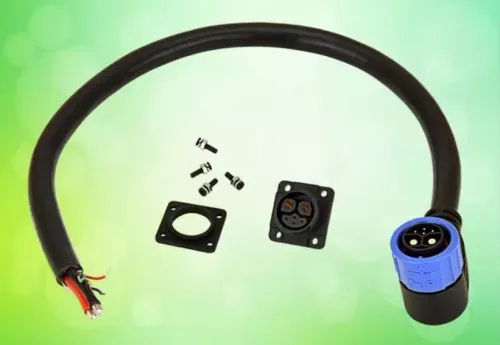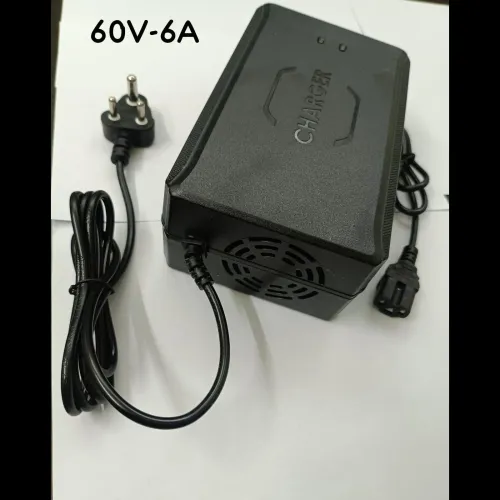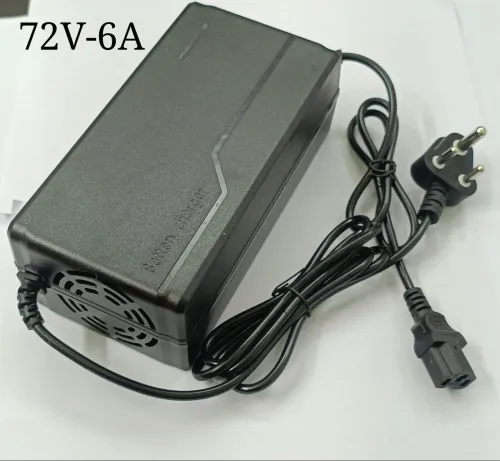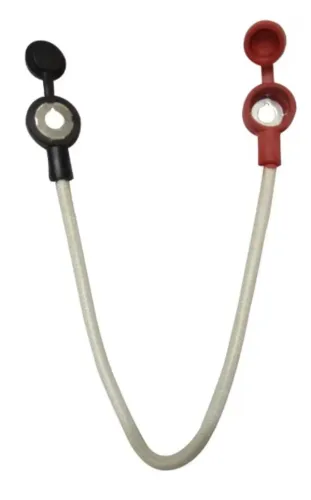
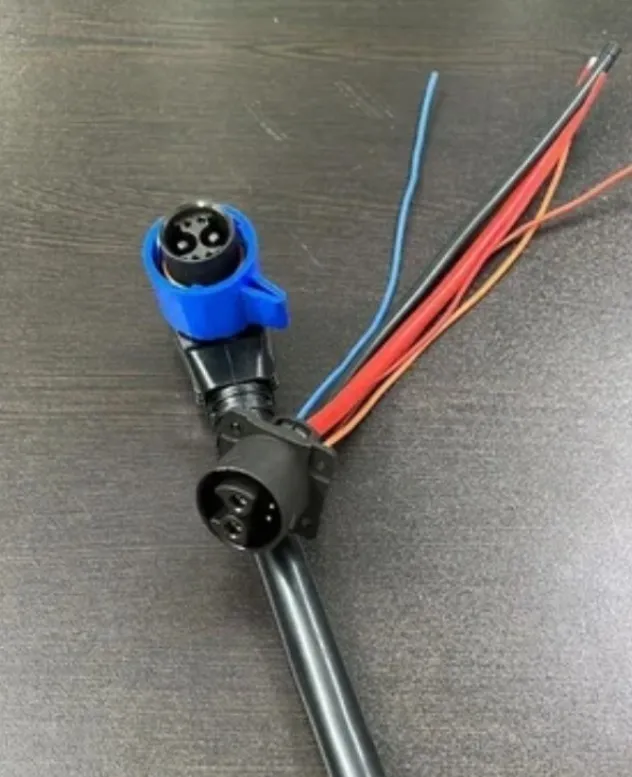
Selecting a Wire Connector may seem straightforward until current capacity, wire gauge, polarity, vibration and repeated connection cycles are considered. For battery-powered equipment and electrical assemblies, the connector forms a critical point in the current path.
Businesses in Delhi evaluating connectors for chargers, batteries, EV systems and industrial equipment should therefore consider electrical and mechanical requirements together.
Start With the Expected Current
The connector needs to handle the operating current of the application under the specified conditions.
For a low-current electronic circuit, compact connectors may be sufficient. High-current battery connections require more substantial terminals, housings and conductors.
It is useful to understand both normal operating current and possible peak current. Motors and other loads, for example, can create short-duration current demands that differ from steady-state operation.
Match Connector and Wire Size
A connector terminal is usually designed for a particular range of wire sizes.
Using a conductor that is too small or too large for the terminal can make proper termination difficult. A poor crimp may create higher electrical resistance or insufficient mechanical strength.
Before ordering, verify:
- Wire gauge or cross-sectional area
- Terminal compatibility
- Connector current rating
- Operating voltage
- Polarity requirements
- Required mating connector
Consider How Often It Will Be Disconnected
A connection made once during equipment assembly has different requirements from a battery connector that users disconnect regularly.
For frequently connected systems, housing durability, terminal retention and ease of mating become more important.
Where polarity errors could damage equipment, keyed or colour-coded arrangements can also support easier identification.
Evaluate the Installation Environment
Connectors used in moving vehicles may experience vibration. Workshop equipment may be exposed to dust. Battery systems can encounter temperature variation and repeated handling.
These factors should be discussed with the supplier before selection rather than assuming that every connector is suitable for every environment.
Watch for Heat at Connections
A connector that becomes unusually hot during operation can indicate excessive current, poor contact, inadequate termination, contamination or another electrical issue.
Heat should not simply be treated as a normal consequence of carrying current.
For Delhi manufacturers and equipment assemblers, Digitech Sales supplies electrical and battery-related components that can be evaluated according to application requirements. When sourcing wire connectors, sharing details such as current, voltage, cable size and end use can make product selection considerably more precise.
A connector is inexpensive compared with many of the components it joins, but selecting it carefully can have an important effect on overall electrical system reliability.
Keywords