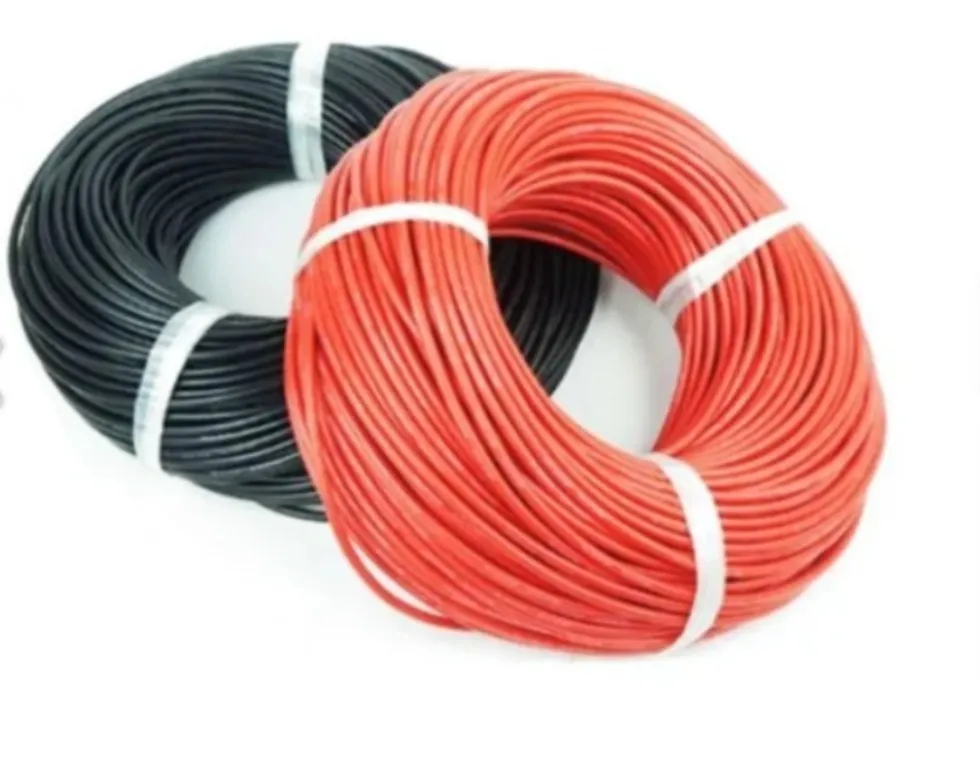
Silicone-insulated wiring is frequently selected for applications that require flexibility, heat resistance or convenient routing through compact equipment. Once the technical requirement is established, the next challenge is finding a silicone wire manufacturer or supply source capable of meeting the application's actual specifications.
For manufacturers in Delhi, Digitech Sales provides an option for discussing wire requirements alongside related connectors and electrical components, making it useful to define the complete application before procurement.
Start With the Required Wire Specification
Avoid requesting simply 'silicone wire.'
A useful enquiry should identify the conductor size, number of cores where applicable, insulation requirements, length and intended operating conditions.
The clearer the requirement, the easier it becomes to compare suitable products.
Check Electrical Requirements
The conductor must support the expected circuit load.
Current capacity is influenced by conductor size, material, installation conditions and ambient temperature. Voltage drop can also become important when cable runs are longer or current levels are higher.
For battery and power applications, these calculations deserve particular attention.
Evaluate Temperature Requirements Realistically
Silicone insulation is commonly associated with elevated-temperature environments, but actual operating ratings vary by product.
Do not assume every silicone wire has identical temperature capability.
Check the specified operating range and compare it with both normal and worst-case temperatures inside the equipment.
Consider Flexibility and Routing
Flexibility can be important in compact chargers, electronics, test equipment, battery systems and moving assemblies.
Before approving a wire, consider the bend radius and the space available for routing. The wire should reach terminals without excessive tension or sharp bending.
Confirm Connector Compatibility
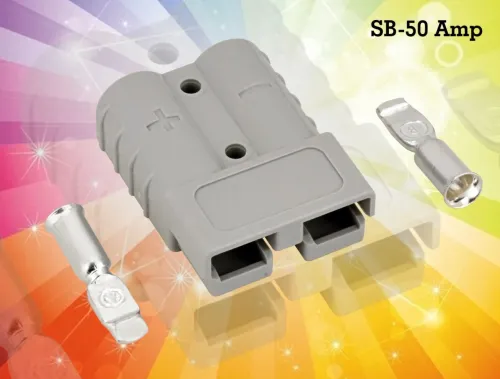
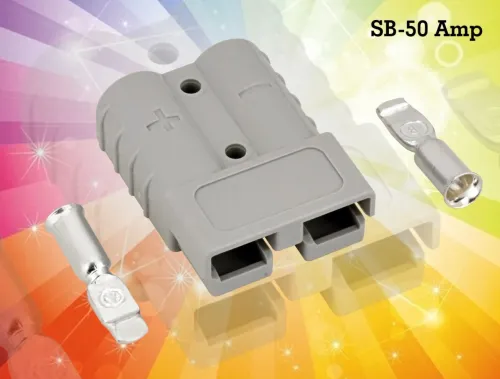
When silicone wire terminates into a connector, its conductor and insulation dimensions must suit the selected terminal.
A thicker insulation diameter can create assembly difficulties even when the conductor size appears correct.
For this reason, manufacturers purchasing both connectors and silicone wires should evaluate them as a complete assembly.
Samples Can Reveal Practical Issues
A sample can help engineering and production teams assess flexibility, dimensions, stripping behaviour and termination compatibility before a larger order.
This is particularly useful when changing from another insulation material or introducing a new connector system.
Consider Production Consistency
OEMs require repeatability.
Once a wire is approved for a product, maintaining the same key specifications across production batches helps avoid unexpected changes in assembly behaviour.
Document the approved wire size, insulation type and other relevant parameters within the bill of materials.
Sourcing Silicone Wire in Delhi
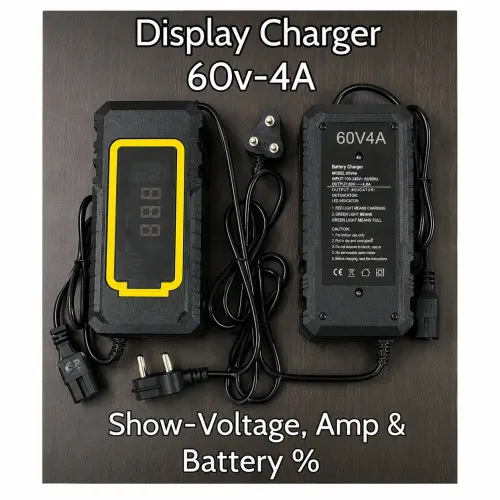
Delhi's electronics and electrical manufacturing sector includes businesses producing chargers, battery products, appliances, control equipment and mobility components. Each may require different wire characteristics.
A capable supplier should therefore focus on matching specifications rather than recommending a single wire for every application.
Businesses can approach Digitech Sales with conductor size, required length, temperature expectations, connector details and application information. Providing these details early makes it easier to identify silicone wiring that meets both electrical requirements and practical production needs.
Keywords