


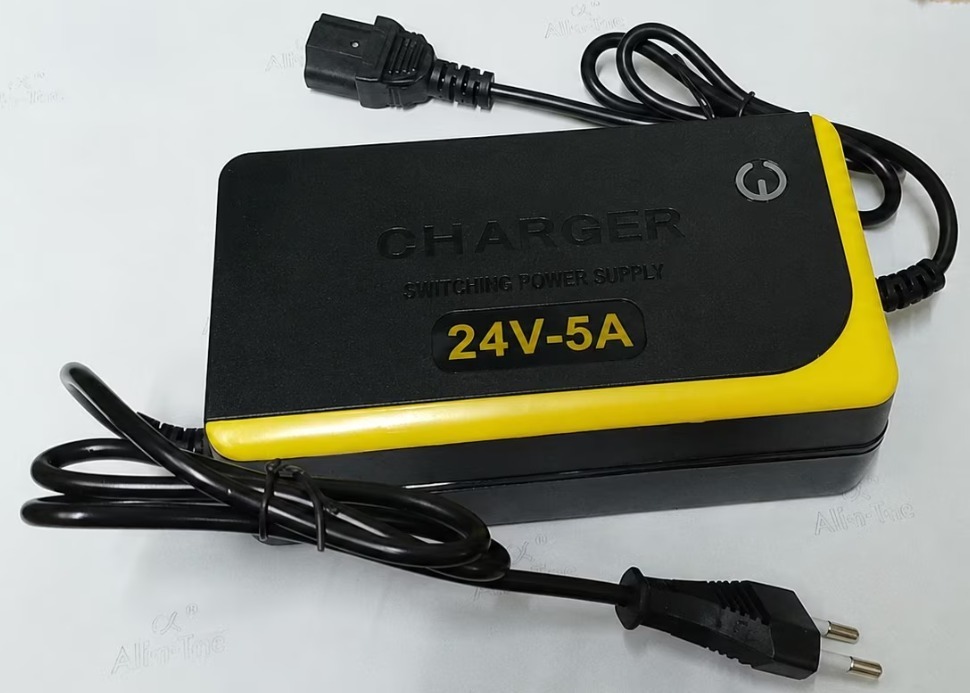
Electric vehicles depend on more than battery capacity and motor efficiency. The charging system also has an important role in determining how consistently energy reaches the battery. EV Battery Chargers convert available electrical power into the controlled voltage and current required by an EV battery pack.
For EV manufacturers, battery assemblers, mobility businesses and equipment developers in Delhi, India, understanding charger specifications is important before integrating a charging solution.
How EV Battery Chargers Work
An EV battery cannot simply be connected to any available electrical source. The incoming supply must be converted and regulated according to the battery pack's requirements.
Depending on the design, a charger may:
- Convert AC input into suitable DC output
- Regulate charging voltage and current
- Maintain controlled electrical output during charging
- Coordinate with battery protection systems
- Provide protection against unsuitable operating conditions
The appropriate configuration depends on battery chemistry, nominal voltage, capacity, charging rate and the overall electrical architecture of the vehicle.
Why Battery Compatibility Matters
A charger should be selected according to the battery specification rather than only its physical dimensions or connector type.
Technical teams should verify battery voltage, maximum charging voltage, recommended charging current, chemistry, BMS requirements and connector configuration.
Two battery packs with similar capacities may require different chargers because their cell configurations or charging parameters differ.
Charging Speed Needs Proper Engineering
Higher charging current can shorten charging time, but faster is not automatically better. The battery must be capable of accepting the selected charging rate.
Battery chemistry, thermal behaviour, BMS settings and charger capacity all influence the practical charging current. This is particularly relevant for manufacturers working with electric scooters, e-rickshaws, low-speed electric vehicles and other battery-powered equipment across Delhi and the wider NCR industrial market.
Cables and Connectors Matter Too
The charger is only one component of the charging path. Cable cross-section, insulation, connector current rating, contact resistance and termination quality can affect electrical performance.
An appropriately designed charger paired with an undersized cable or unsuitable connector can still result in excessive heating, voltage drop or inconsistent operation.
Before selecting a charger, confirm:
- Battery chemistry
- Nominal voltage
- Maximum charging voltage
- Recommended charging current
- Battery capacity
- BMS requirements
- Input supply
- Connector specification
- Cable requirements
- Operating environment
A correctly matched charging system can support dependable EV operation while reducing avoidable electrical compatibility issues.


