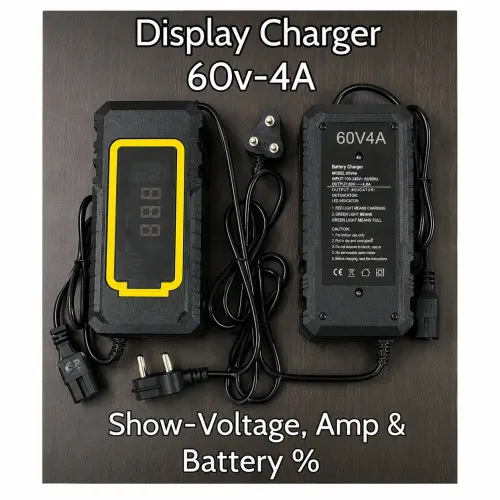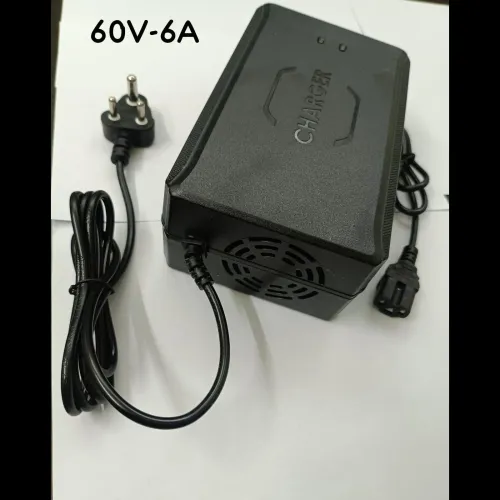
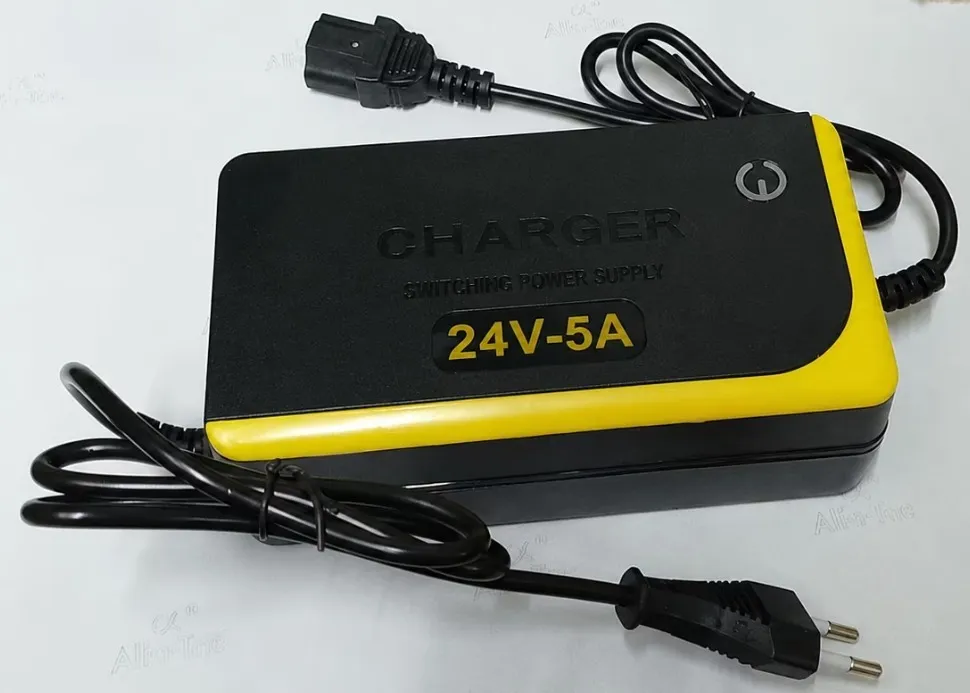
Electric mobility has increased the importance of dependable charging systems for two-wheelers and other battery-powered vehicles. EV battery chargers must work with the battery system's electrical characteristics while also handling practical conditions such as repeated charging cycles, temperature changes and daily use.
For EV businesses and equipment assemblers in Delhi, selecting a charger based only on wattage or charging speed can overlook important compatibility factors.
Digitech Sales works with battery charging requirements for manufacturers and businesses that need charger specifications suited to their intended application.
Battery Chemistry Is the Starting Point
An EV charger must correspond with the battery technology used in the vehicle.
Different battery chemistries can require different charging behaviour. Even batteries described using similar nominal voltage categories may have different maximum charging voltages or management requirements.
Before comparing chargers, obtain the battery manufacturer's charging specifications.
Charger Output and Battery Management Must Work Together
Many modern EV battery packs use a battery management system, commonly known as a BMS.
The charger supplies electrical energy, while the battery system manages important battery-related conditions according to its design. Compatibility between these systems is therefore essential.
Manufacturers should verify charger output parameters against the battery pack and BMS requirements during development.
Charging Speed Needs Context
Faster charging sounds attractive, but charging current should remain within the limits suitable for the battery.
Higher current can also affect charger size, thermal management, component requirements and electrical infrastructure.
For electric two-wheelers used for everyday commuting in Delhi, a practical charging solution should balance charging duration with battery specifications and normal usage patterns.
Temperature Can Influence Charger Design
Delhi experiences significant seasonal temperature variation, including high summer temperatures.
Chargers used in enclosed or poorly ventilated spaces may experience additional thermal stress. Equipment designers should consider airflow, charger enclosure design and the environment in which users are likely to charge their vehicles.
Thermal performance should be assessed under realistic conditions rather than only under ideal laboratory conditions.
Connector Compatibility Matters
A charger can have the correct electrical output and still be unsuitable if its connector arrangement does not match the vehicle.
Connector type, polarity, current capability, cable construction and mechanical fit should be verified.
For OEM projects, customised connector-with-wire configurations may also help integrate chargers with specific vehicle designs.
What Should EV Businesses Compare?
When evaluating EV chargers, consider the complete specification:
- Battery chemistry and voltage
- Required charging voltage
- Charging current
- BMS compatibility
- Connector configuration
- Input supply
- Thermal requirements
- Protection functions
- Physical dimensions
These criteria provide a more useful comparison than price or charging speed alone.
As Delhi's electric mobility ecosystem develops, charger selection remains an engineering decision rather than simply an accessory purchase. Matching the charger, battery and vehicle architecture from the beginning can simplify integration and support dependable day-to-day charging.
Keywords