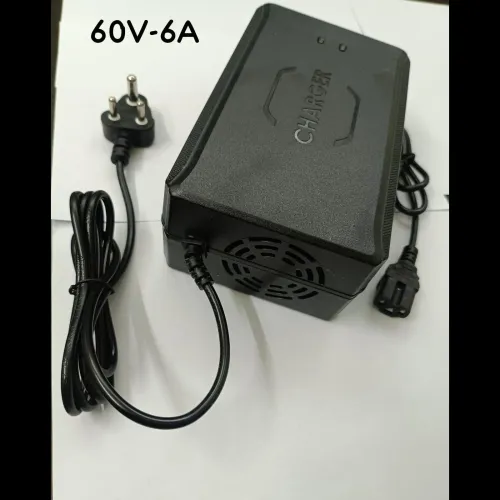
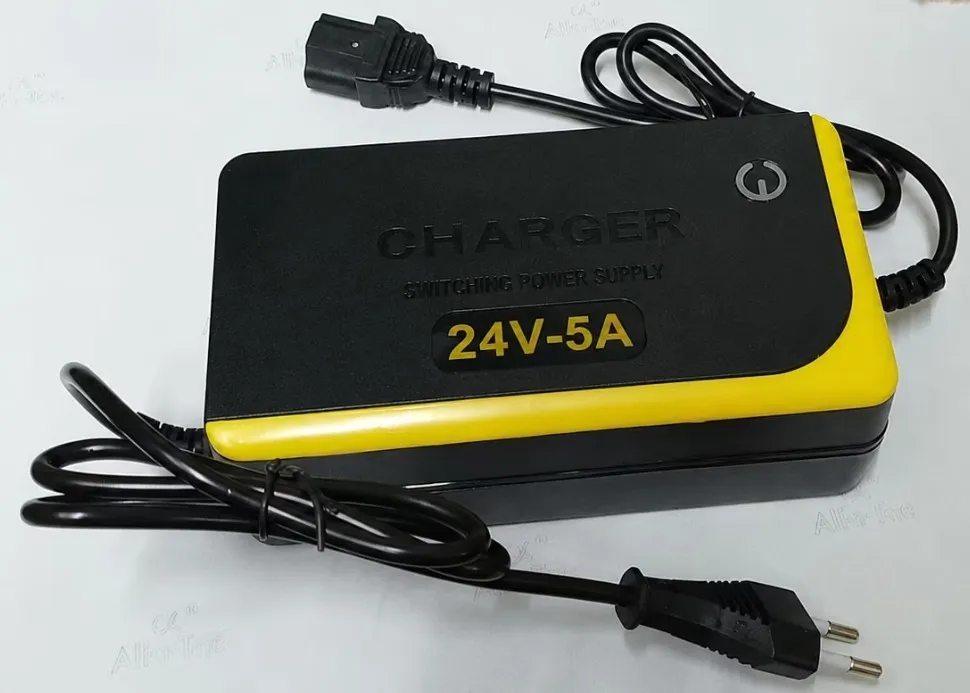
Electric vehicle charging equipment needs to be selected as part of the battery system rather than as an independent accessory. For electric two-wheeler OEMs, battery assemblers and mobility businesses, choosing an EV battery charger manufacturer or supply partner requires careful evaluation of electrical compatibility, connectors and production requirements.
Delhi and NCR have become active markets for electric mobility products and related components. Digitech Sales supports charger requirements where businesses can provide defined battery and vehicle specifications for evaluation.
Know When Your Requirement Is Production-Ready
Before requesting charger quotations, determine whether the battery pack specification is final.
A production-ready requirement should normally include battery chemistry, nominal pack voltage, charging voltage, capacity, acceptable charging current and BMS information.
If these details are still changing, charger specifications may also need to change later.
Confirm the Charging Architecture
The charger, BMS and battery pack need to operate as a compatible system.
Do not select an EV charger solely because another vehicle uses the same nominal battery voltage.
Confirm charging limits and communication or control requirements where applicable to the particular system design.
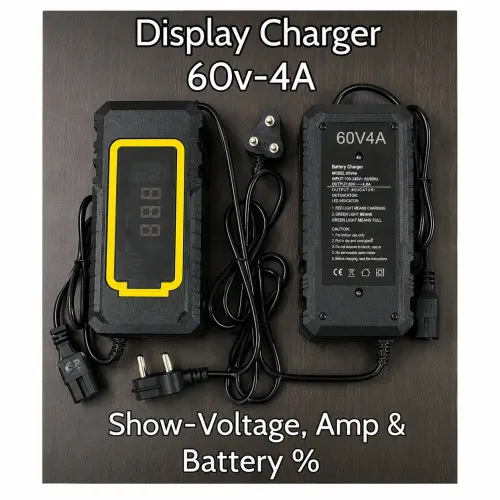
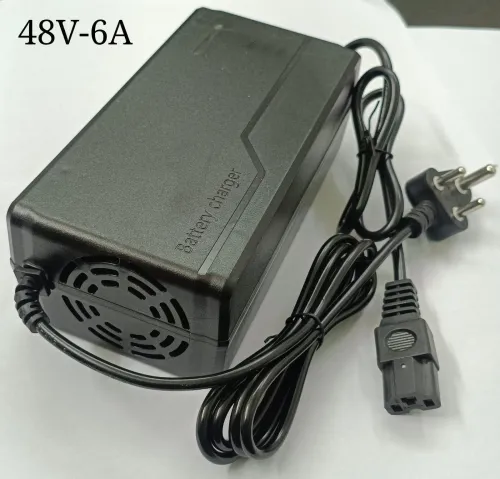
Define the Required Charging Current
Charging current affects more than charging duration.
It can influence charger power rating, thermal behaviour, cable selection and connector requirements.
The correct value should be established according to battery specifications and the intended user experience.
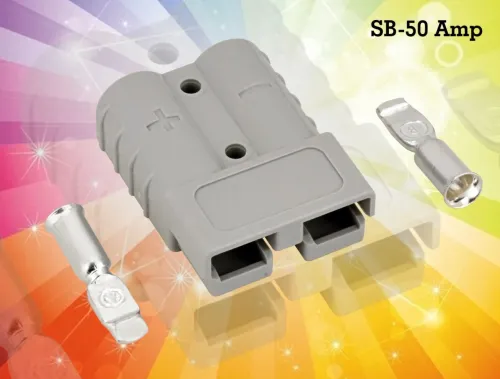
Finalise the Connector Arrangement
Connector selection is especially important when the charger is being integrated into a production vehicle.
Specify:
- Connector type
- Pin configuration
- Polarity
- Current requirement
- Cable length
- Wire specification
- Mechanical locking needs
Where a standard configuration does not fit the vehicle, a suitable customised cable or connector-with-wire arrangement may need evaluation.
Consider Real Charging Conditions
A charger may be used in a home, workshop, parking facility or commercial environment.
For vehicles sold in Delhi and nearby regions, seasonal heat and varying ventilation conditions should be considered during product testing.
OEMs should assess charger operation in conditions representative of actual customer use.
Evaluate a Sample Before Volume Procurement
A production decision should be based on more than paperwork.
Test a representative charger with the intended battery pack and vehicle. Check charging behaviour, physical compatibility, cable reach, connector engagement and temperature performance.
Record the approved configuration so purchasing teams can maintain consistency.
Look at the Complete Supply Requirement
EV manufacturers often require related components in addition to the charger, including connectors, connector-wire assemblies and specialised wiring.
Coordinating these specifications can simplify product integration and reduce the number of mismatched components reaching the assembly stage.
Discussing EV Charger Requirements in Delhi
An EV charger enquiry becomes far more productive when the electrical requirements are already defined.
Delhi-based electric mobility companies can provide Digitech Sales with battery chemistry, pack voltage, capacity, required charging current, BMS information and connector details for requirement evaluation.
For an OEM preparing to move from prototype to production, establishing these specifications before procurement creates a clearer path towards selecting an EV battery charger that integrates properly with the intended vehicle and battery platform.
Keywords