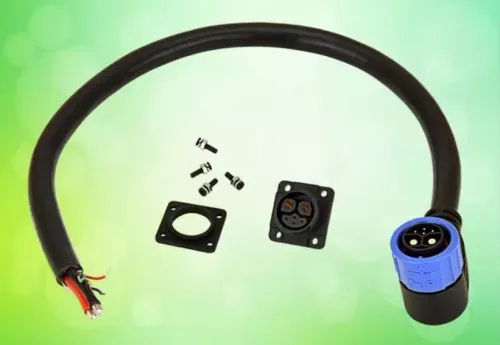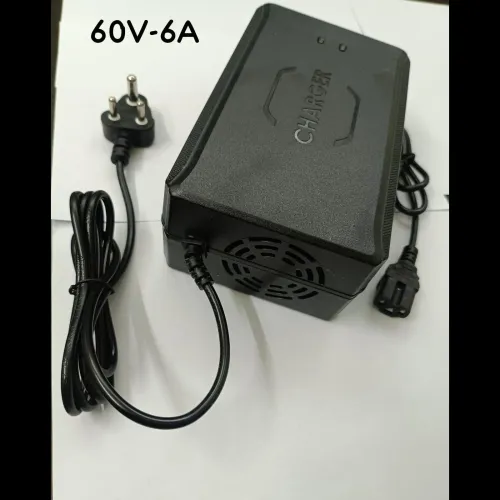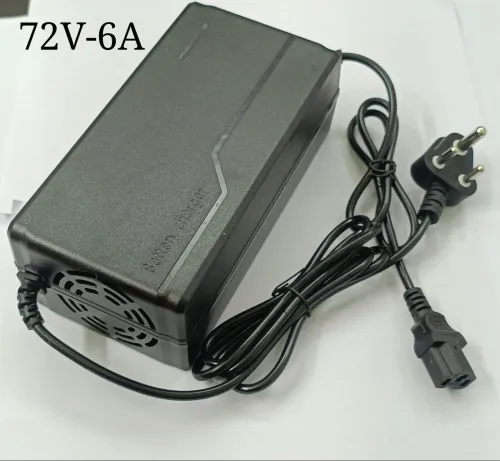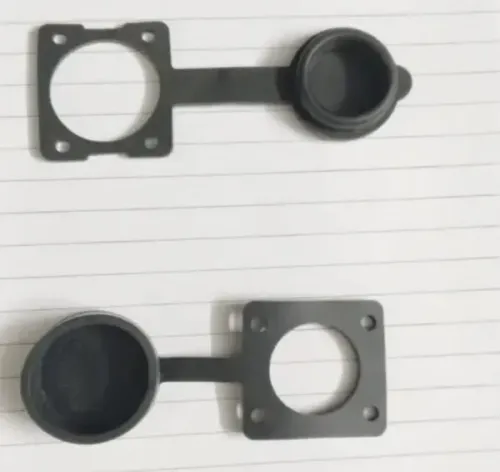
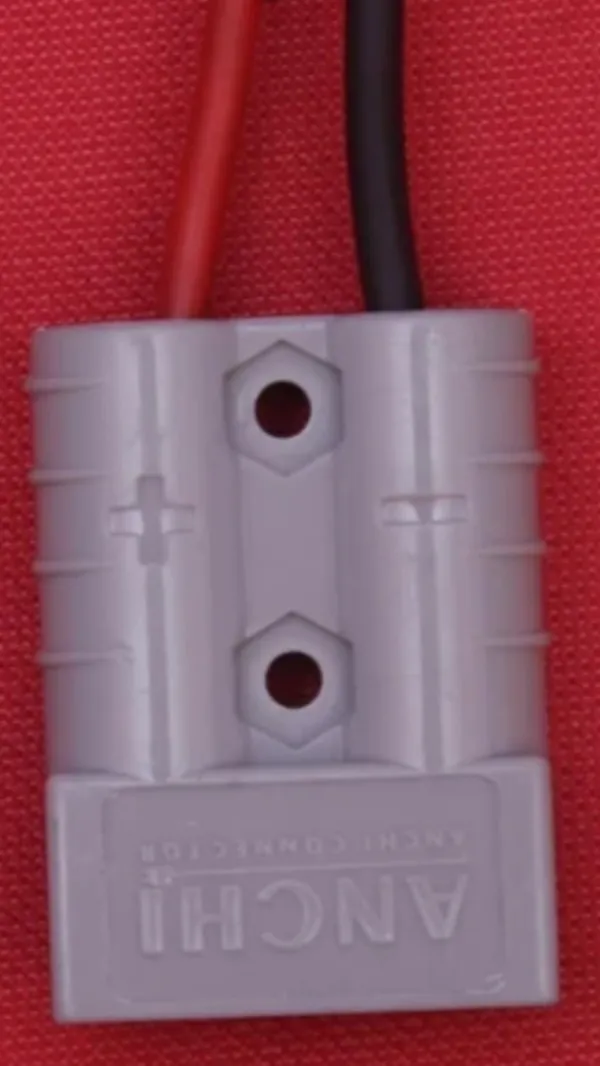
Modern electronic products often contain several modules that need to exchange power or signals. Electronics connectors create removable interfaces between these circuits, helping manufacturers assemble products efficiently while allowing components to be serviced or replaced when necessary.
For Delhi-based OEMs, electronics developers and equipment manufacturers, connector selection should begin during product design rather than being treated as an afterthought.
Digitech Sales supports component requirements where connector dimensions, wire arrangements and electrical specifications need to match the intended equipment.
Start With the Electrical Requirement
The first question should be what the connector needs to carry.
A connector used for a low-current signal circuit has different requirements from one carrying battery or power-supply current.
Identify:
- Operating voltage
- Continuous current
- Peak current
- Number of contacts
- Signal or power requirement
- Required wire size
This establishes the basic electrical criteria.
Consider Available PCB and Enclosure Space
Compact products create connector challenges.
A technically suitable connector may still be impractical if it occupies too much PCB or enclosure space. Designers should evaluate connector height, width, mating direction and cable exit direction.
This is especially relevant for compact chargers, control boards, consumer electronics and portable equipment.
Think About Assembly Conditions
A connector that works well in a prototype may create difficulties during volume production.
For example, very small connectors may require precise handling, while poorly differentiated connectors can increase the chance of incorrect assembly.
Useful design considerations include keyed housings, clear orientation, suitable locking arrangements and adequate space for operators to connect and disconnect the assembly.
Vibration Changes Connector Requirements
Equipment used in vehicles, machinery or mobile systems experiences different mechanical stresses from stationary electronics.
Where vibration is expected, a secure mating arrangement becomes more important. Connector retention, terminal fit and wire strain relief should therefore be evaluated together.
Connector and Wire Should Be Specified Together
Choosing the connector first and wire later can create avoidable problems.
Terminal designs generally accommodate particular conductor and insulation sizes. If the selected wire falls outside this range, achieving a consistent termination may become difficult.
This is particularly important when using specialised wire such as flexible silicone-insulated cable.
Standardisation Can Simplify Production
OEMs using many connector types across similar products may create unnecessary inventory complexity.
Where technically practical, standardising selected connector families can simplify purchasing, assembly and spare-part management.
This does not mean using the same connector everywhere. Safety and electrical requirements should always take priority.
Practical Selection for Delhi Manufacturers
Delhi and NCR manufacturers operate across electronics, electrical equipment, automotive components, battery products and control systems. Each sector has different connector needs.
Rather than choosing an electronics connector based primarily on availability, manufacturers should document the electrical rating, contact count, dimensions, wire size, locking requirement and expected environment.
A connector selected during the design stage can improve manufacturability while reducing later changes to wiring, enclosures and component layouts.
Keywords