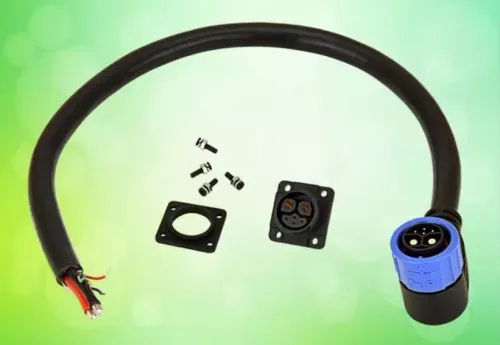
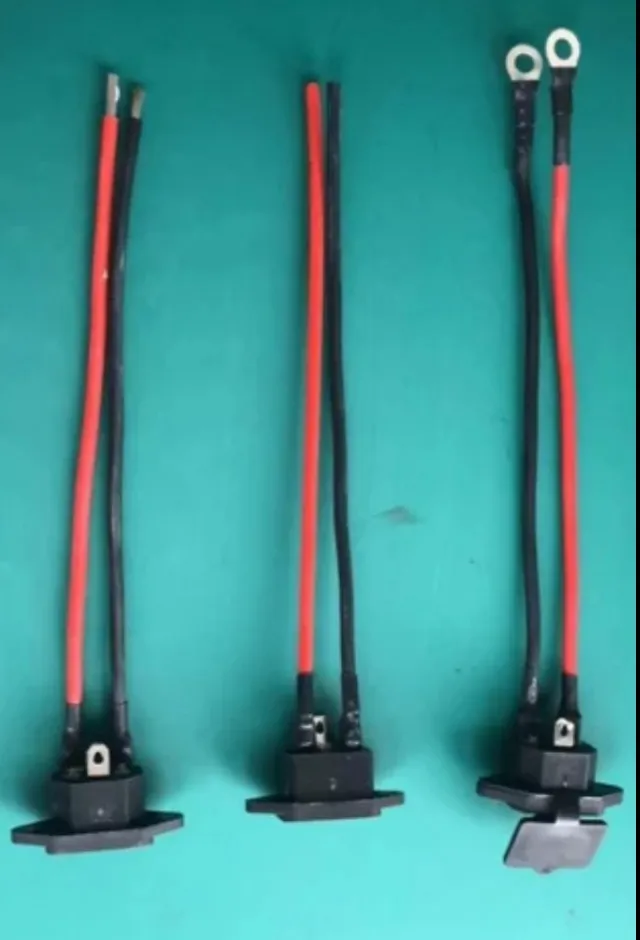
Buying connectors and wires separately can work for prototyping, but production environments often need repeatable, ready-to-integrate assemblies. This is where choosing a suitable connector with wire supplier becomes important.
OEMs in Delhi may require connector-wire assemblies for battery chargers, electronics, control systems, mobility products and other electrical equipment. The quality of these assemblies depends on much more than the connector housing itself.
Digitech Sales can support requirements where businesses need connectors paired with wires according to defined electrical and assembly specifications.
Look Beyond Connector Availability
A supplier having the required connector in stock does not automatically mean the complete assembly will suit your product.
The connector, terminal and wire should be compatible with one another. The finished assembly should also fit the equipment's electrical and mechanical requirements.
Before ordering, specify the exact connector family, pin count and mating arrangement.
Define the Wire Clearly
Wire specification is one of the most important parts of an assembled lead.
Communicate details such as:
- Conductor size
- Required wire length
- Insulation type
- Number of wires
- Colour requirements where relevant
- Current-carrying requirement
- Operating temperature
If silicone wire is needed because of flexibility or temperature requirements, this should be established before production.
Verify Pin Configuration
Multi-pin connectors require clear pin mapping.
An incorrectly positioned wire can cause immediate functional problems and may potentially affect connected components. OEMs should therefore maintain an approved wiring diagram or sample that clearly defines pin positions.
For repeated orders, controlled specifications help maintain consistency.
Evaluate Termination Quality
The electrical joint between terminal and wire is critical.
Termination should provide both electrical contact and mechanical retention. Poorly executed crimping or termination can lead to intermittent connections, increased resistance or wires pulling out during handling.
For production applications, consistency across batches matters as much as the appearance of an individual sample.
Ask About Customisation Capability
OEM projects frequently need more than a standard off-the-shelf lead.
Custom requirements may include specific cable lengths, different wire sizes, silicone wires, multi-connector assemblies or application-specific pin arrangements.
A supplier capable of understanding these requirements can help reduce additional assembly work at the manufacturer's facility.
Use Samples Before Larger Production Runs
For a new design, evaluate a sample before committing to quantity production.
Check mating fit, polarity, cable length, routing, terminal retention and electrical operation inside the actual equipment.
This small validation step can identify design problems before they become expensive production issues.
Selecting a Delhi Supplier
Delhi and NCR OEMs often need component suppliers who can respond to prototype development as well as ongoing production requirements.
When selecting a connector with wire supplier, prioritise specification clarity, component compatibility, assembly consistency and the ability to understand the intended application.
For manufacturers preparing a sourcing requirement, sharing a connector sample, drawing, pin configuration and wire specification with Digitech Sales can make evaluation more precise and help determine a suitable assembly for the product.
Keywords