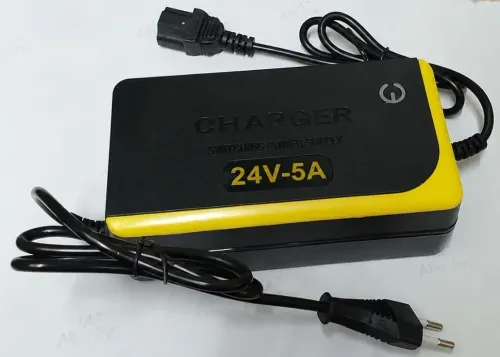


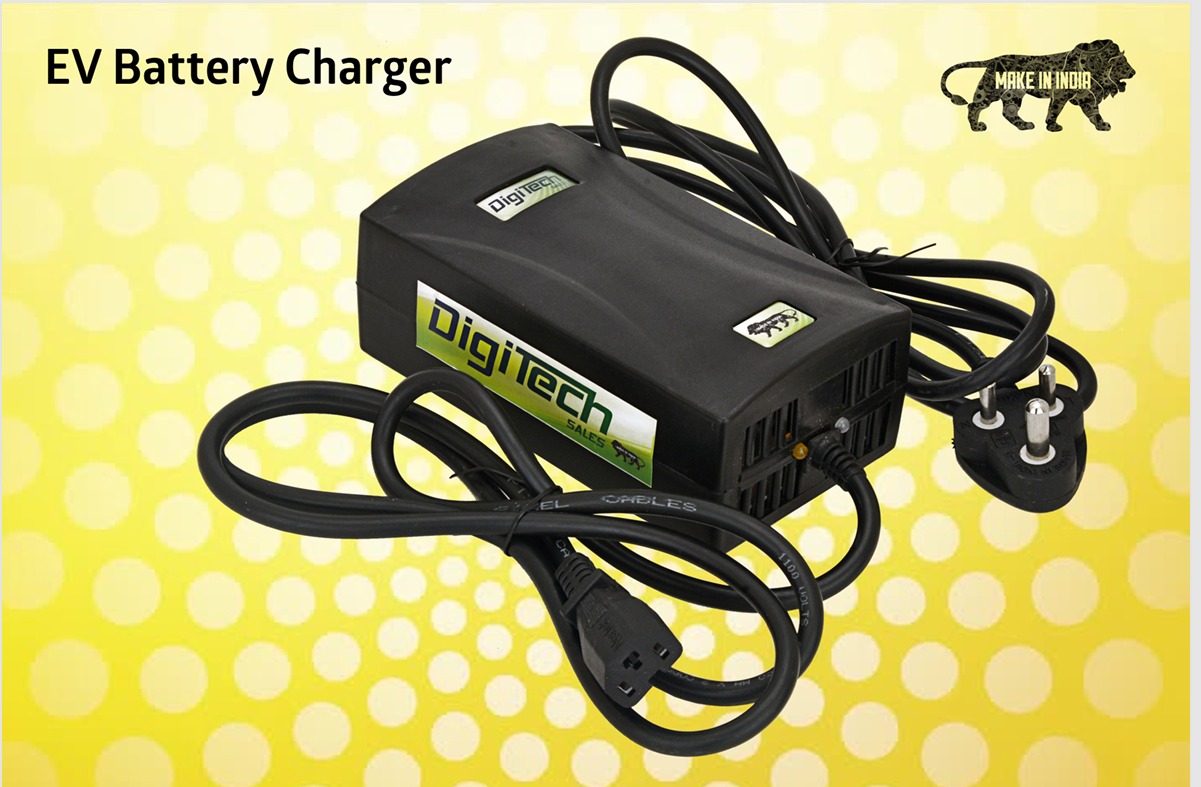
Electric scooters, motorcycles and other battery-powered two-wheelers depend on chargers that match their battery systems correctly. For an OEM, assembler or replacement-parts business, choosing the wrong charger can create compatibility issues even when the connector physically fits.
Selecting a two wheeler battery charger manufacturer should therefore involve a technical evaluation rather than a price-only purchase decision.
For businesses operating in Delhi's growing electric mobility supply chain, Digitech Sales can support charger requirements based on battery and equipment specifications.
Mistake 1: Matching Only Nominal Voltage
A charger and battery may both be described using the same nominal voltage category, but this does not automatically establish charging compatibility.
Battery chemistry, maximum charging voltage and charging profile also need consideration.
Always verify the detailed battery specification before confirming the charger.
Mistake 2: Assuming Higher Current Is Better
Higher charging current can reduce charging time in suitable systems, but the battery must be designed to accept it.
Selecting current solely to achieve faster charging can create an unsuitable charging arrangement.
Determine the recommended charging current from the battery or battery-pack specification.
Mistake 3: Ignoring the BMS
Many electric two-wheelers use battery management systems.
The charger, battery pack and BMS form part of the same charging architecture. Their operating parameters need to be compatible.
For an OEM, charger validation should therefore be conducted with the intended production battery pack rather than with an unrelated test battery.
Mistake 4: Treating Connectors as an Afterthought
Connector mismatches can delay production even when the charger's electrical specifications are correct.
Check connector model, pin arrangement, polarity, current capacity and cable length. A custom connector-with-wire configuration may sometimes be required for a particular vehicle platform.
Mistake 5: Overlooking Delhi's Operating Environment
Electric two-wheelers may be charged in garages, parking areas, workshops or other locations where ventilation and ambient temperature vary considerably.
High summer temperatures in Delhi make thermal behaviour particularly relevant.
Charger placement, ventilation and operating temperature limits should therefore be considered during vehicle design.
Mistake 6: Approving a Charger Without Testing the Complete System
A specification sheet is useful, but OEM validation remains important.
Test the charger with the intended battery pack and vehicle charging system. Observe charging behaviour, connector fit, operating temperature and practical charging duration.
Mistake 7: Changing Specifications Between Batches
For manufacturers, consistency is essential.
Uncontrolled changes to charger output, cable length or connectors can affect assembly and field compatibility. Maintain approved specifications and verify production supplies against them.
A Better Procurement Process
Start by documenting the battery chemistry, pack voltage, charging limits, required current, BMS details and connector arrangement.
Then evaluate charger options against these requirements.
Delhi-based electric two-wheeler businesses can discuss these parameters with Digitech Sales when evaluating charging solutions for OEM or production requirements. A specification-driven selection process makes it easier to identify a charger that fits the vehicle platform rather than relying on assumptions based on appearance or nominal ratings.