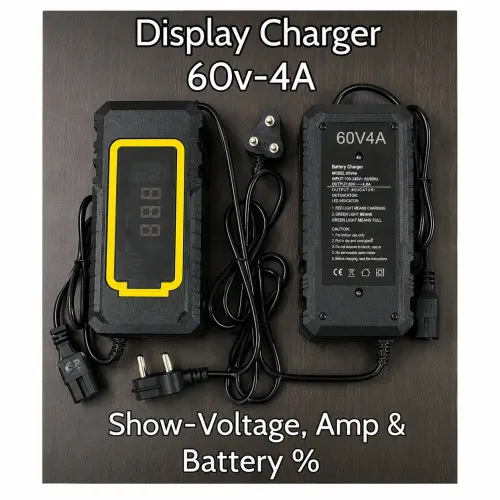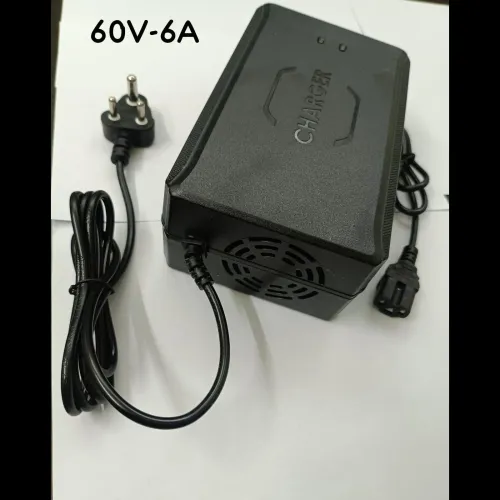
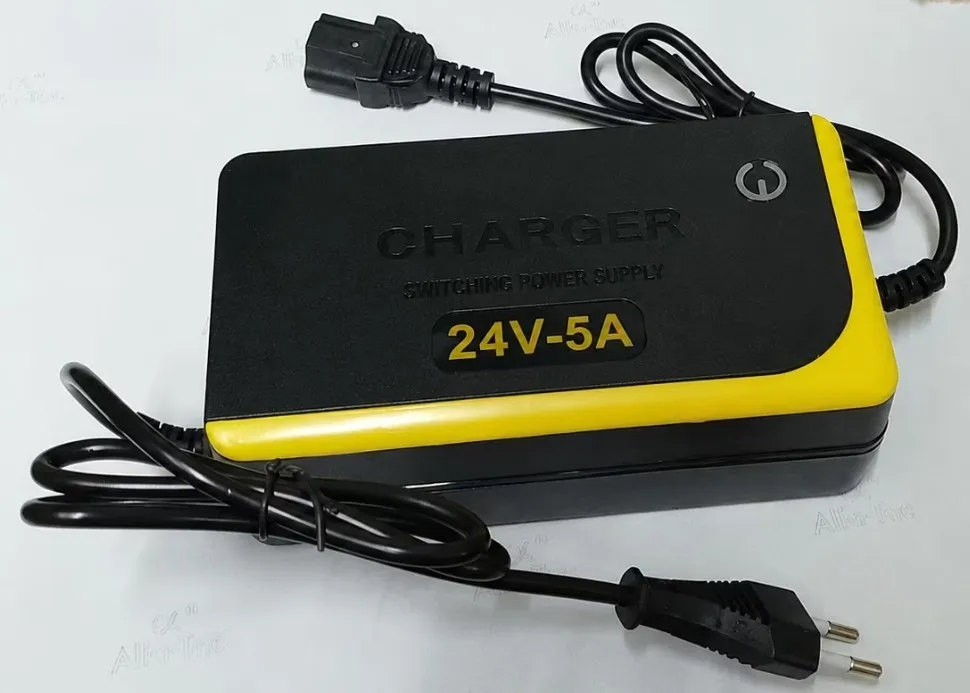
Battery-powered systems are used across vehicles, industrial equipment, backup systems, electronic devices, security installations and many other applications. Behind every dependable battery setup is a charger designed to deliver the correct voltage and current without placing unnecessary stress on the battery.
For businesses and equipment manufacturers in Delhi, understanding how battery chargers work can make component selection easier and help reduce charging-related problems.
Digitech Sales works within the electronics manufacturing and supply ecosystem, where charger selection often depends on battery chemistry, capacity, operating environment and the requirements of the final application.
What Does a Battery Charger Actually Do?
A battery charger converts electrical power into a form suitable for restoring energy to a rechargeable battery. The charging process is not simply about supplying electricity. Voltage and current need to remain within the battery's recommended operating limits.
A suitable charger typically performs three important functions:
- Converts incoming electrical power to the required output
- Controls charging voltage and current
- Supports safe and consistent battery charging
The exact charging method varies according to the type of battery and application.
Why Charger Specifications Matter
Using a charger with unsuitable specifications can affect charging time, battery performance and equipment reliability. Buyers should therefore consider more than the physical size or connector type.
Important specifications include:
Output voltage: The charger must correspond with the battery system's voltage requirements.
Charging current: Current influences charging speed and must remain suitable for the battery capacity.
Input range: This determines the type of electrical supply from which the charger can operate.
Protection features: Depending on the design, chargers may incorporate protection against conditions such as short circuits, excessive current or abnormal temperatures.
Connector compatibility: The electrical connection should match the equipment and battery interface.
Different Applications Need Different Chargers
A charger intended for a small electronic product may have very different requirements from one designed for an electric two-wheeler.
In Delhi's broad manufacturing and electronics market, battery charging solutions can be required for electric mobility products, emergency systems, industrial electronics, rechargeable equipment, security products and OEM assemblies.
Environmental conditions also matter. Heat, dust, repeated operating cycles and installation constraints can influence charger selection.
Battery Compatibility Comes First
One of the most important steps is confirming the battery specification before choosing a charger. Battery chemistry, nominal voltage, capacity and recommended charging parameters should all be considered together.
For example, simply selecting a charger because its voltage appears similar may not be enough. The charging profile should also be suitable for the battery technology being used.
Manufacturers and equipment assemblers should therefore define their electrical requirements before finalising charger specifications.
A Better Approach to Charger Selection
Start with the battery rather than the charger. Identify its chemistry, voltage, capacity, charging requirements and connector arrangement. Then compare these details with the charger specifications.
For organisations sourcing battery charging components in Delhi and across the NCR manufacturing region, this specification-led approach helps create a more dependable electrical system and reduces the risk of compatibility issues during assembly or operation.
Keywords