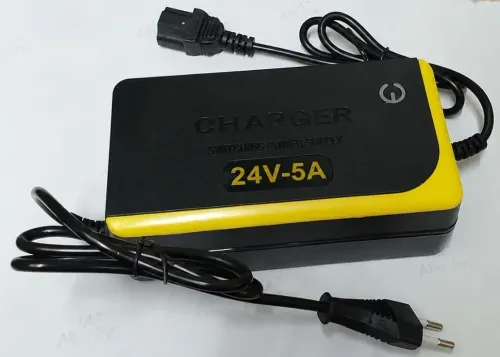


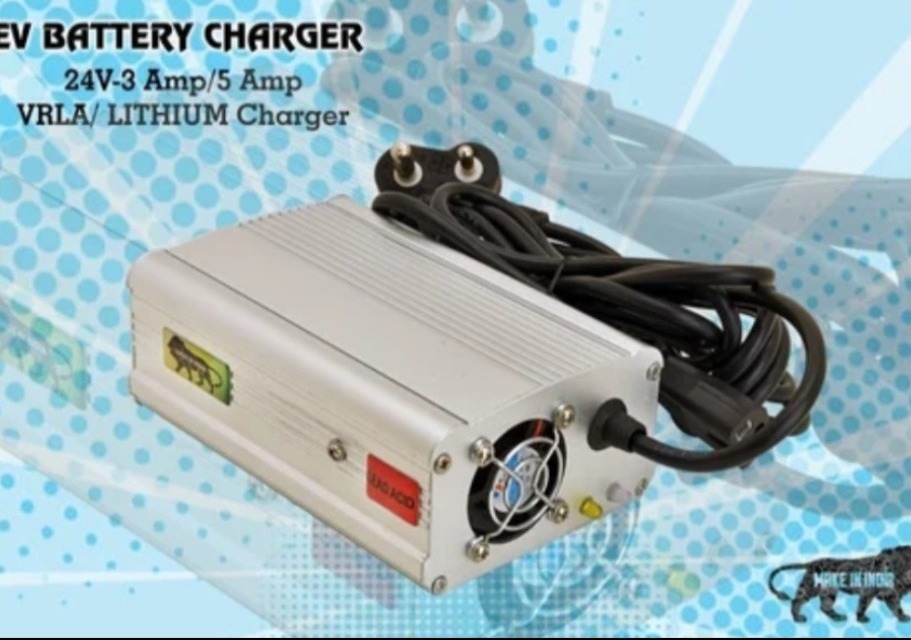
For an OEM, charger procurement is different from purchasing a single replacement adapter. Once a charger becomes part of a production product, its specifications can influence battery compatibility, enclosure design, connectors, wiring and the user experience.
Choosing a battery charger manufacturer or supply partner therefore requires a structured technical assessment.
For manufacturers and electrical businesses in Delhi, Digitech Sales works with charging and related component requirements where the starting point is the intended battery application.
Provide Complete Battery Information
A meaningful charger discussion starts with battery specifications.
Prepare information covering:
- Battery chemistry
- Nominal voltage
- Capacity
- Recommended charging voltage
- Recommended charging current
- BMS details where applicable
- Connector requirements
Without these details, charger selection can become guesswork.
Determine the Required Charger Format
Some products require external chargers, while others may use charging electronics integrated into the equipment.
Physical dimensions, enclosure style, cable arrangement and installation environment can therefore affect the decision.
OEMs should determine these requirements during product development rather than after mechanical design has been finalised.
Examine Input and Output Specifications
The charger needs to operate from the intended input supply while producing an output suitable for the battery.
Where equipment may be used across different regions, input requirements deserve additional attention.
On the output side, voltage and current should be checked against the complete charging requirements rather than only nominal battery voltage.
Review Protection and Thermal Considerations
Depending on the design, battery chargers can incorporate protective functions relating to abnormal electrical or thermal conditions.
Buyers should determine which features are appropriate for the application and confirm them from the actual charger specification.
Thermal performance is especially relevant for equipment operating during Delhi's hotter months or inside confined spaces.
Confirm Connector and Cable Details
OEM charger procurement should include connector specifications rather than leaving them unresolved until production.
Define connector type, polarity, cable length and wire requirements. If specialised silicone wire or a custom connector arrangement is required, communicate this during the initial evaluation.
Evaluate Samples in the Real Application
Testing should replicate normal operating conditions as closely as practical.
Connect the charger to the intended battery pack and evaluate charging operation, physical fit, connector engagement and temperature behaviour.
Any required specification changes should be completed before approving the production configuration.
Maintain a Controlled Specification
Once approved, document the charger specification within the product's purchasing and engineering records.
This helps avoid unplanned substitutions during later procurement.
Preparing an OEM Charger Enquiry in Delhi
Delhi-based manufacturers can make the sourcing process more efficient by preparing technical requirements before contacting a provider.
Digitech Sales can evaluate requirements based on battery voltage, chemistry, charging current, connector arrangement and application details. For OEM buyers, this specification-first approach is more useful than choosing a charger simply from a catalogue description and provides a clearer basis for production planning.