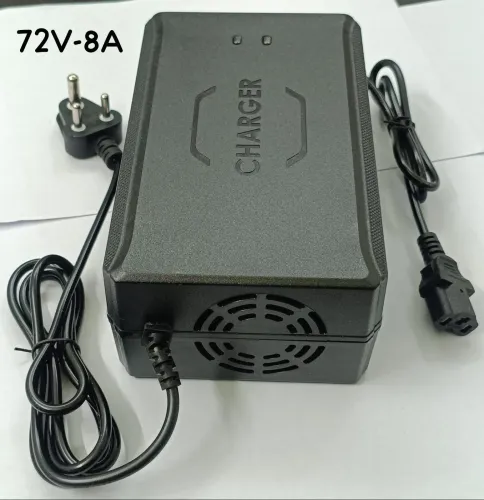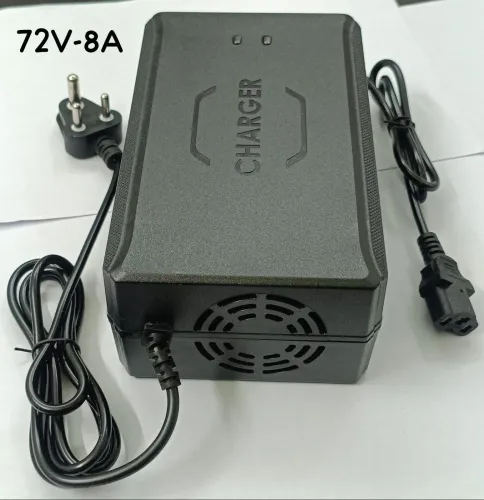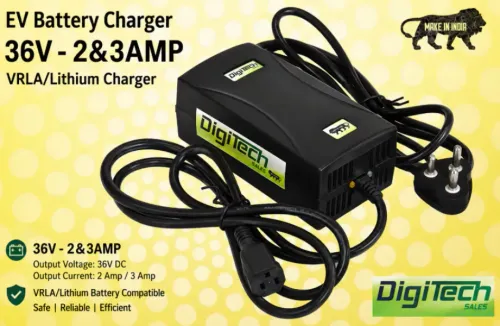
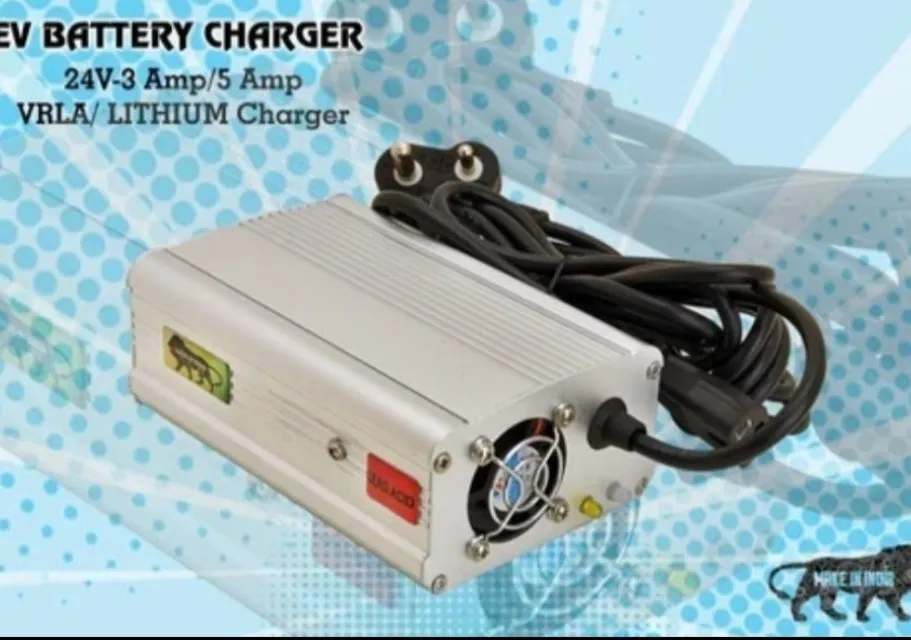
A SMPS Battery Charger uses switch-mode power supply technology to convert and regulate electrical power efficiently. Compared with older linear power arrangements, SMPS-based chargers can provide compact construction, controlled output and practical efficiency for a wide range of battery-powered applications.
For electronics manufacturers, equipment assemblers, automation businesses and battery solution providers in Delhi, selecting the right SMPS charger requires more than checking its output voltage.
What Makes an SMPS Charger Different?
Switch-mode technology regulates power through high-frequency switching. This allows power conversion components to be designed differently from traditional linear systems and can make the charger more compact for a given application.
Common advantages can include:
- Compact construction
- Efficient power conversion
- Controlled voltage and current output
- Reduced size and weight in suitable designs
- Integration into different electronic systems
- Availability across multiple output configurations
Actual performance depends on charger design, component quality and the intended load.
Start With Battery Requirements
The battery should determine the charger specification.
Before procurement, identify the battery chemistry, nominal voltage, charging voltage, capacity and recommended charging current. Lithium-based batteries, lead-acid batteries and other rechargeable systems do not necessarily follow identical charging profiles.
Using voltage alone as the selection criterion is therefore insufficient.
Look Beyond the Output Rating
Industrial buyers should also examine input voltage range, protection features, thermal design, connector type and expected operating conditions.
Questions worth asking include:
- Will the charger operate continuously or intermittently?
- Is it being installed inside equipment?
- What ambient temperatures are expected?
- Is ventilation available?
- What cable length will be used?
- Does the application experience voltage fluctuations?
- What protections are built into the charger?
These factors become especially relevant in commercial and industrial installations.
Common Selection Mistakes
One mistake is choosing a higher-current charger simply to obtain faster charging. Battery limitations must be considered first.
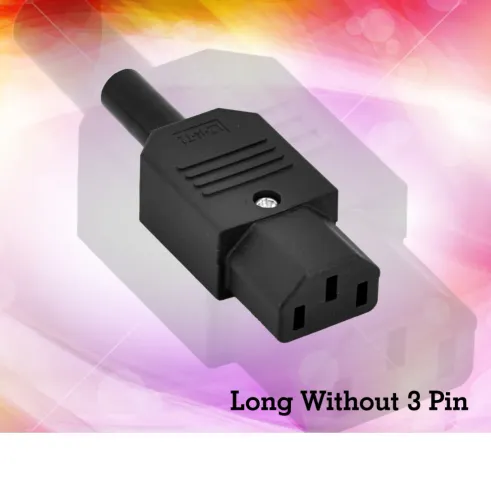
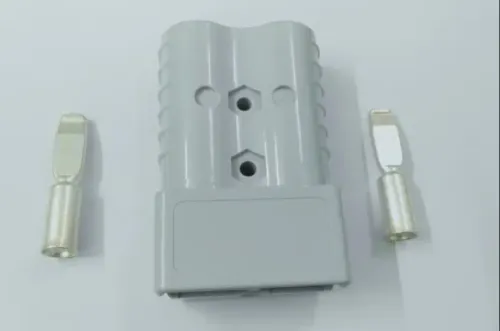
Another is ignoring cable and connector ratings. A charger capable of delivering substantial current requires appropriately rated conductors and reliable connections.
Buyers should also avoid treating all chargers with the same printed voltage and current ratings as technically identical. Internal design, regulation, thermal performance, protection and component selection can vary.
For businesses sourcing electronic power products in Delhi, Digitech Sales can be considered when requirements involve SMPS charging solutions and associated electrical components. Providing accurate battery and application specifications before selection makes it easier to identify a technically appropriate charger instead of relying on general ratings alone.
Keywords