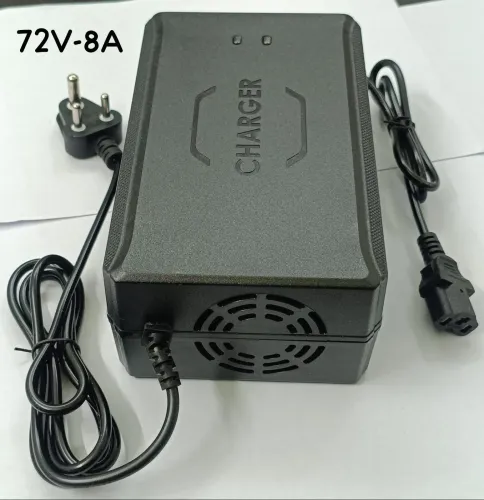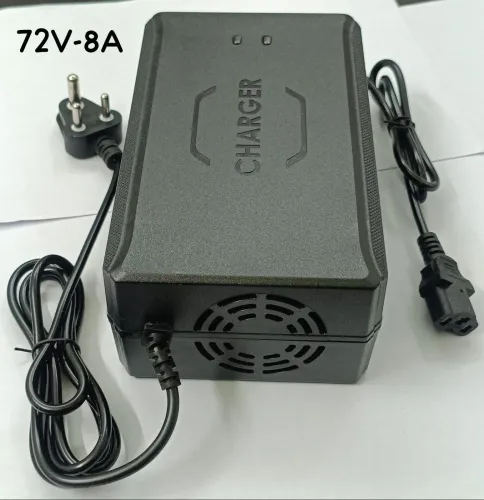
Businesses purchasing chargers for manufacturing, resale, equipment integration or battery systems need a different procurement approach from individual consumers. Choosing a Battery Charger Manufacturer requires attention to electrical specifications, compatibility, product consistency and the ability to support the intended application.
For OEMs and commercial buyers in Delhi, preparing technical requirements before requesting quotations can significantly improve the selection process.
Define the Battery Before the Charger
The battery specification is the foundation of charger selection.
Provide the supplier with:
- Battery chemistry
- Nominal voltage
- Maximum charging voltage
- Capacity in Ah
- Recommended charging current
- BMS information where applicable
- Connector requirements
- Input power conditions
This prevents charger selection from being based on incomplete information.
Evaluate the Intended Use
A charger for occasional workshop use may have different requirements from one supplied with every unit of a commercial product.
For OEM applications, consider dimensions, cable length, connector arrangement, installation method and expected charging frequency.
The operating environment should also be discussed. Ambient temperature and ventilation can influence how electronic equipment performs in actual use.
Ask About Protection and Charging Control
Depending on the charger architecture and application, buyers may need to evaluate protection against abnormal electrical or thermal conditions.
Instead of assuming that every charger includes identical protection, ask what functions are provided and how they relate to the battery system.
The charging profile should also suit the battery chemistry and BMS strategy.
Check Associated Electrical Components
A charger does not operate in isolation.
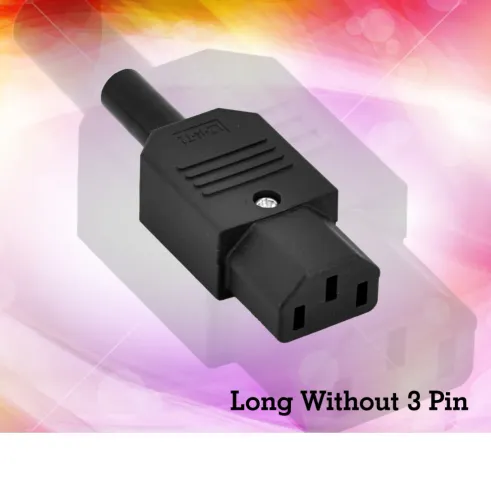
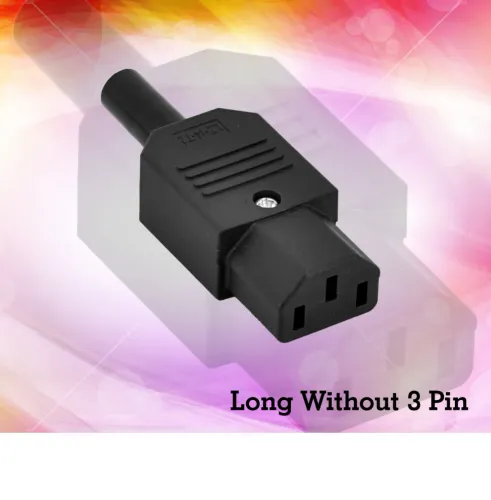
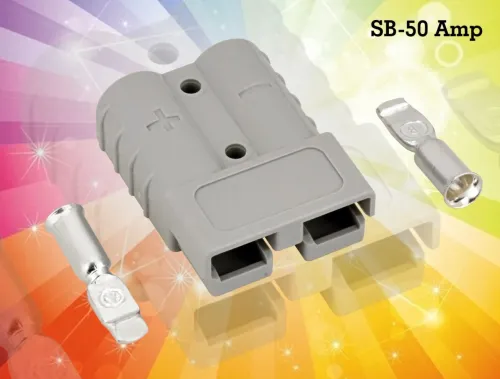
Output cables, wire size, connectors and terminals all contribute to the charging path. When these components are selected independently without checking compatibility, integration problems can appear during production.
Coordinating these specifications early can simplify assembly.
Assess Commercial Readiness
Before placing an OEM or recurring order, procurement teams should consider:
- Specification compatibility
- Required quantities
- Product consistency
- Connector and cable configuration
- Testing requirements
- Packaging requirements
- Repeat procurement needs
- Technical communication
Delhi and the wider National Capital Region have active markets for EVs, batteries, electronics and industrial equipment, creating demand for dependable charging components across manufacturing and service businesses.
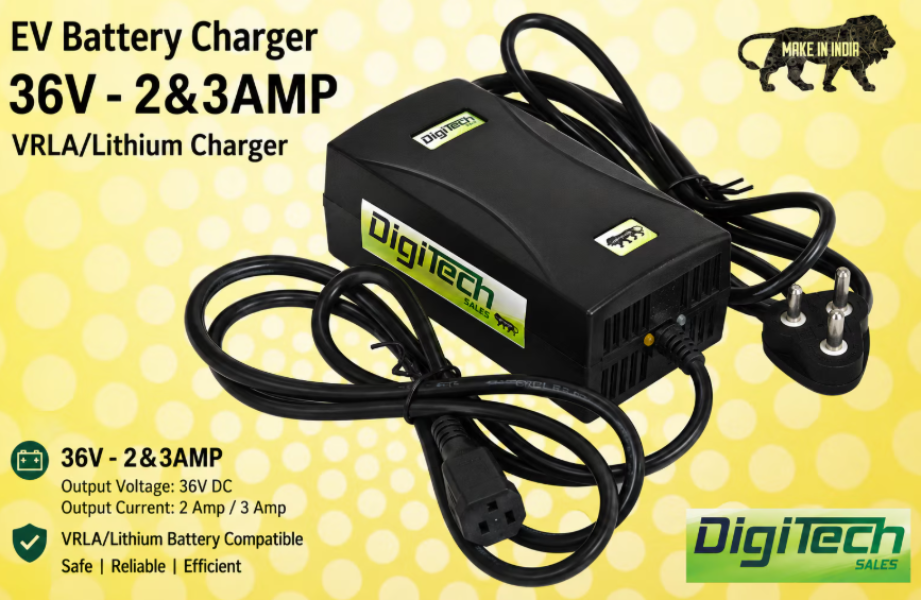
Digitech Sales provides battery chargers and related electrical components for buyers evaluating charging solutions in Delhi. Sharing complete technical requirements at the enquiry stage allows the company to assess charger, connector and wiring needs together.
The most useful supplier discussion begins with specifications rather than a generic request for a battery charger. When battery chemistry, voltage, current, connector and application are clearly defined, commercial buyers can compare options more accurately and move toward a charging solution that fits their equipment.
Keywords