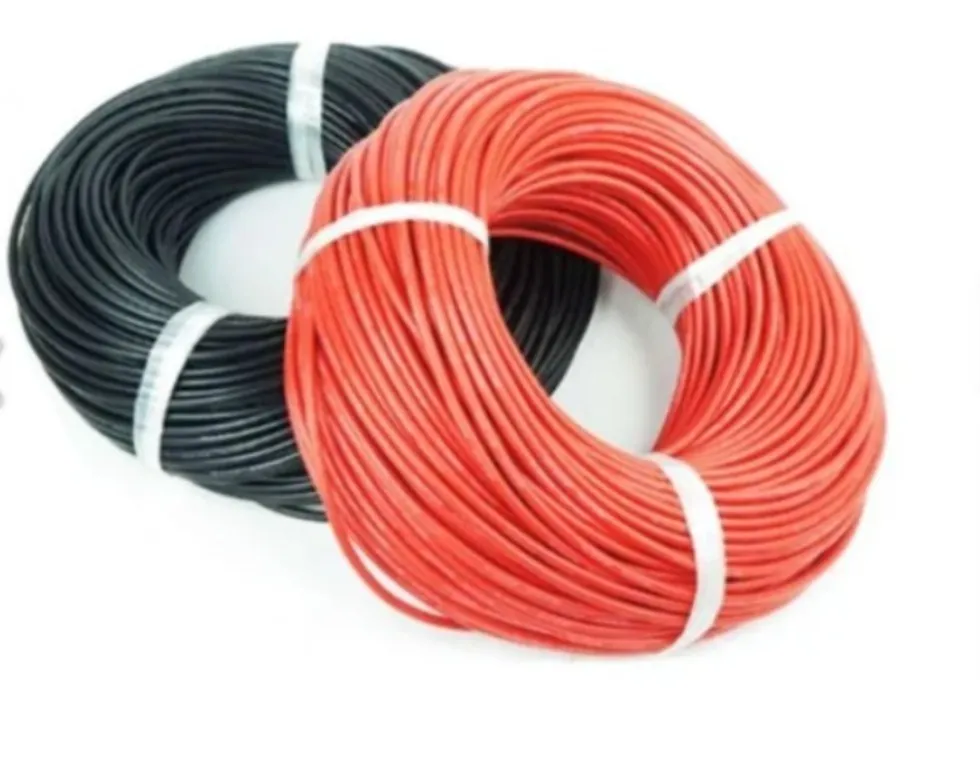
Electrical wires are selected not only by conductor size but also by the properties of their insulation. Silicone Wires are commonly considered where flexibility and temperature tolerance are important design requirements.
They can be used in battery systems, electronic equipment, testing setups, power assemblies and other applications where conventional rigid insulation may not provide the required handling characteristics.
For electrical and electronics businesses in Delhi, understanding where silicone-insulated wire provides practical value can make component selection more accurate.
Why Silicone Insulation Is Used
Silicone is known for retaining flexibility across a broad temperature range. This makes silicone-insulated wire useful in applications where wires need to bend easily during installation or operate near heat-generating components.
Depending on the product specification, advantages can include:
- Good flexibility
- Temperature resistance
- Easier routing in compact assemblies
- Suitability for repeated handling
- Availability in multiple conductor sizes
- Application in electronic and battery systems
Specific temperature and voltage ratings should always be confirmed from the actual product specification.
Wire Size Still Matters
Flexible insulation does not replace the need for appropriate conductor sizing.
Current flowing through an undersized conductor can cause unwanted voltage drop and heat generation. Wire selection should therefore account for current, conductor cross-sectional area, cable length and installation conditions.
Higher-current battery and charger connections typically require different conductor sizing from low-current control wiring.
Where Silicone Wire Can Be Useful
Common applications may include:
- Battery pack connections
- Battery charger wiring
- Test equipment
- Electronic prototypes
- Robotics
- RC applications
- Electrical panels
- Power supplies
- EV-related electrical assemblies
Its flexibility can be particularly useful when wiring needs to pass through restricted spaces or connect components where rigid cable routing would be inconvenient.
Check the Complete Specification
Buyers sometimes focus only on wire gauge. A more complete assessment should include conductor material, strand construction, insulation thickness, temperature rating, voltage rating and overall diameter.
Colour coding can also simplify assembly and maintenance, especially where multiple positive, negative, signal or auxiliary connections are present.
Avoid Mechanical Weak Points
Even a suitable wire can perform poorly if termination is incorrect.
Connections should be appropriately stripped, crimped or terminated without damaging conductor strands. Sharp bends near terminals should also be avoided where possible.
In Delhi's growing electronics, battery and electric mobility supply ecosystem, silicone-insulated wiring can support applications that need both electrical capacity and installation flexibility. The right choice comes from matching conductor size and insulation characteristics to actual operating conditions rather than selecting wire based on appearance or flexibility alone.
Keywords