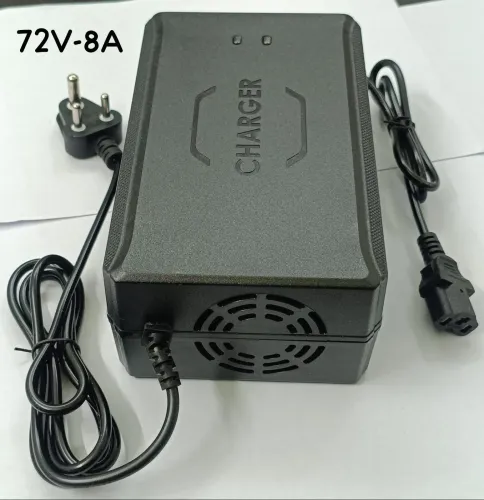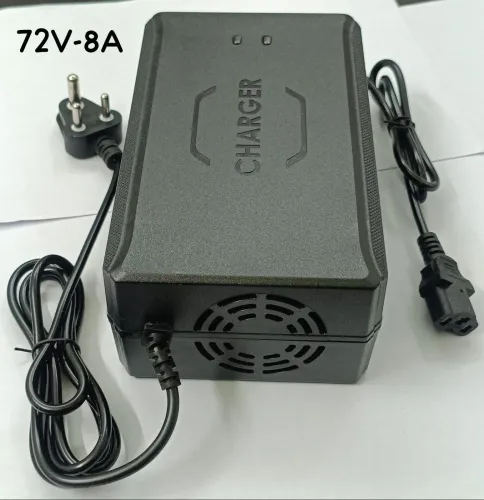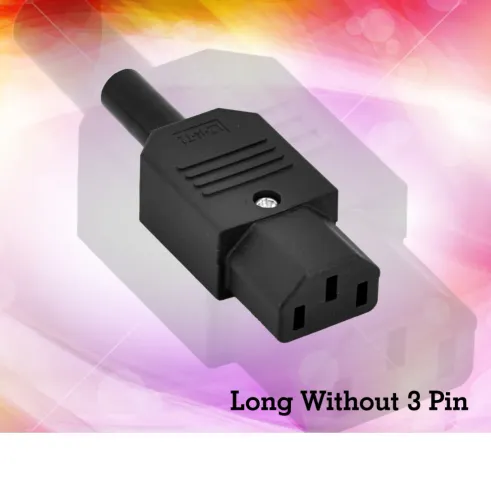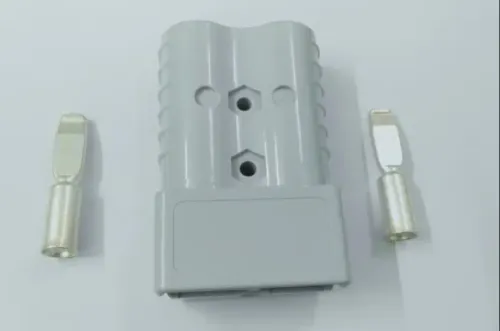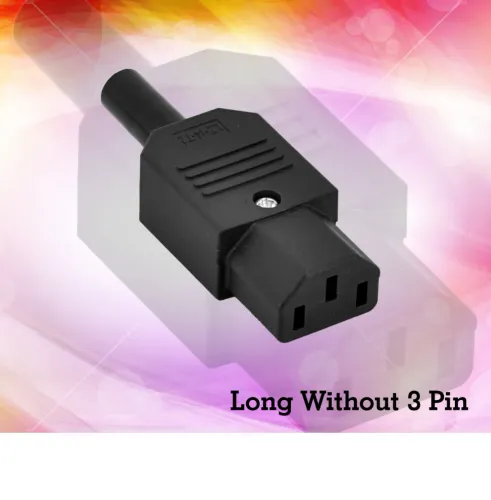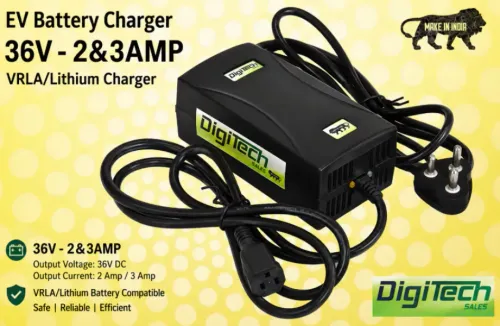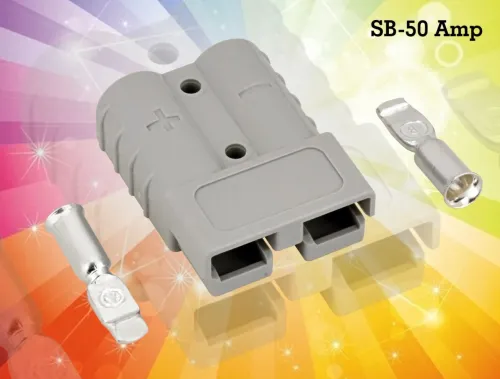
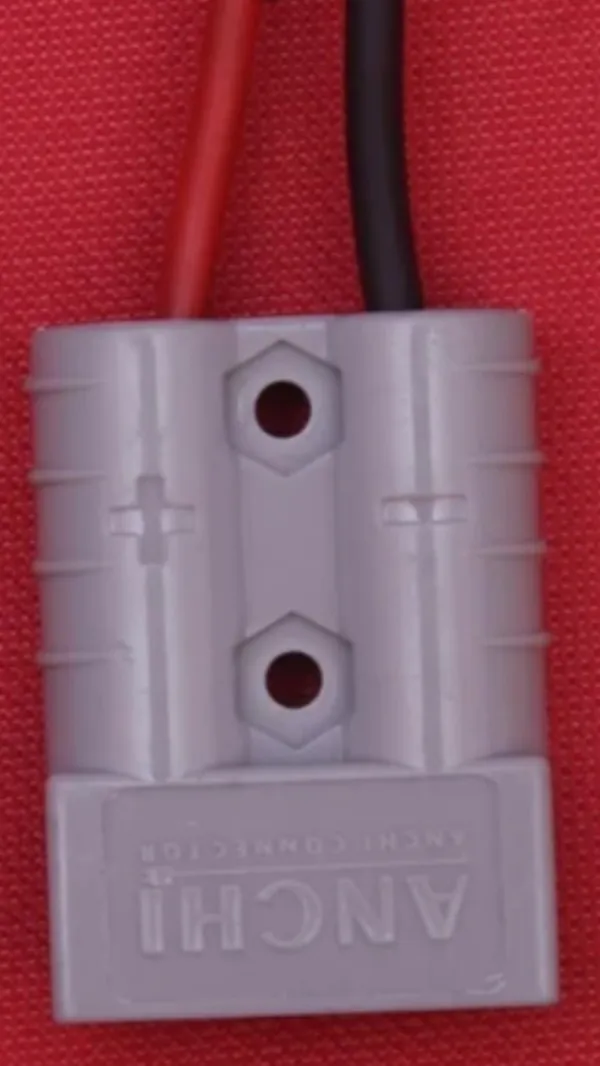
Small components can have a significant influence on electrical system reliability. Electronics Connectors create removable electrical interfaces between wires, batteries, chargers, circuit assemblies and other equipment. Their purpose may look simple, but connector selection involves current capacity, mechanical design, contact quality and environmental considerations.
For electronics and electrical equipment businesses in Delhi, choosing connectors according to the actual application can reduce connection problems during assembly and operation.
What Does an Electronic Connector Do?
A connector provides an interface through which electrical power or signals can travel between components.
Connectors may be used between:
- Batteries and equipment
- Chargers and battery packs
- Wiring harnesses and electrical assemblies
- Motors and controllers
- Power supplies and electronic equipment
- Replaceable modules and fixed systems
A removable connection can simplify installation, servicing and component replacement.
Current Rating Is a Key Consideration
Power connectors must be capable of carrying the expected electrical current under specified operating conditions.
Selecting a connector with an inadequate rating may contribute to excessive temperature rise or unreliable performance. However, simply choosing the highest available current rating is not always necessary either.
The connector should be matched to the system's expected continuous and peak loads, wire size and installation conditions.
Contact Resistance Matters
Every electrical connection introduces some resistance. Poor contact between connector surfaces can increase resistance, which may produce additional heat and voltage drop.
Connection quality can be influenced by:
- Contact material
- Terminal condition
- Crimping quality
- Connector fit
- Contamination
- Repeated mating cycles
- Mechanical movement
Correct assembly is therefore just as important as choosing the connector itself.
Consider the Operating Environment
Connectors installed in indoor electronic equipment face different conditions from those used in vehicles, workshops or industrial machinery.
Dust, vibration, moisture, temperature variation and frequent disconnection can influence the required connector construction.
Delhi businesses serving EV, battery, automation and industrial equipment markets may encounter all of these conditions depending on the end application.
Connector Selection Checklist
Before ordering, confirm the electrical current, operating voltage, wire gauge, polarity arrangement, mating configuration, expected connection cycles and environmental conditions.
Mechanical compatibility also deserves attention. A connector may have the correct electrical rating but still be unsuitable if its housing, terminal or mounting arrangement does not fit the equipment design.
Reliable electrical systems are built through attention to individual components. Choosing connectors according to current, wire size, installation environment and connection quality helps create a more dependable electrical path from the power source to the final equipment.
Keywords