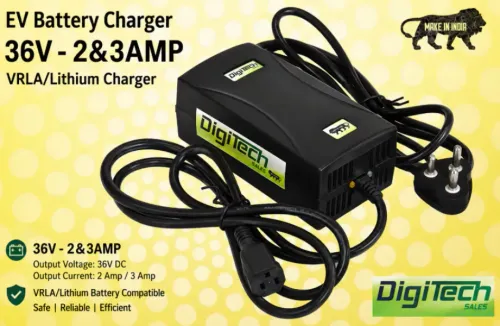
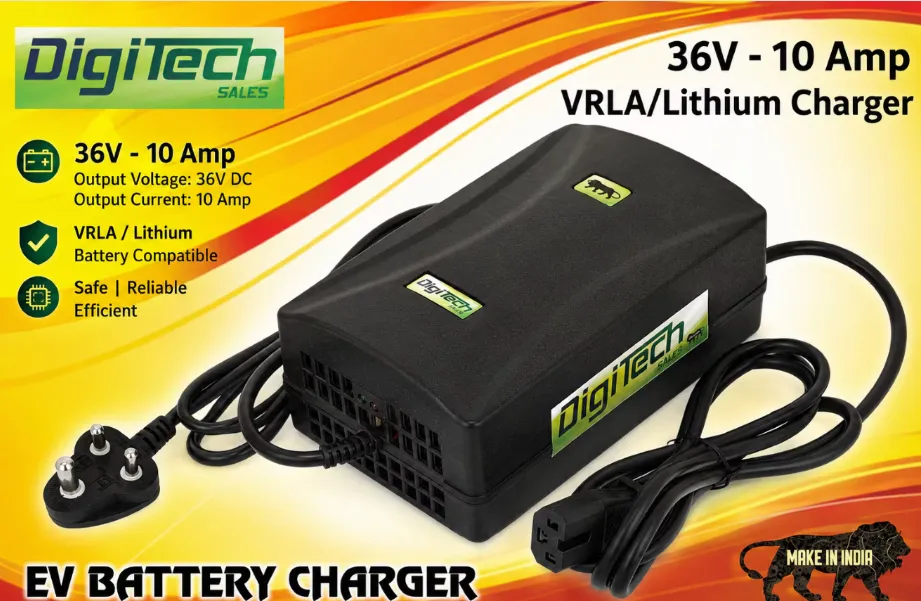
The rapid development of electric mobility has created demand for chargers, power components, connectors, cables and supporting electrical hardware. For businesses looking for an EV Charging Equipment Manufacturer, product selection should be based on technical compatibility and supply capability rather than broad claims about EV expertise.
For projects in Delhi, a structured supplier assessment can make sourcing easier for EV assemblers, battery businesses, mobility companies and equipment developers.
Define the Charging Requirement First
Before evaluating manufacturers or suppliers, document the project.
At minimum, establish:
- Vehicle or equipment type
- Battery chemistry
- Battery voltage
- Battery capacity
- Charging voltage
- Desired charging current
- Input supply
- Connector configuration
- Required quantities
- Expected operating environment
A supplier cannot recommend a technically appropriate solution without understanding these parameters.
Ask About Product Compatibility
Charging equipment should be compatible with the battery and the wider electrical system.
Discuss charging voltage, output regulation, connector requirements and battery management considerations where relevant.
For OEM projects, physical dimensions, mounting requirements and cable routing may also influence selection.
Evaluate Supporting Components
Charging reliability does not depend solely on the charger.
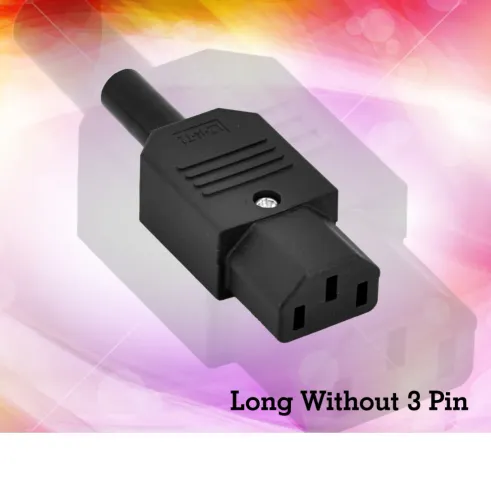
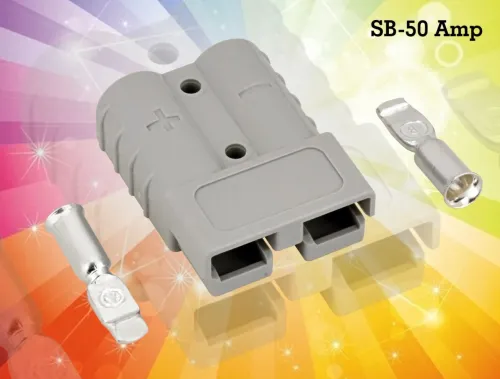
Connectors and cables need appropriate electrical ratings and reliable termination. If the project requires these supporting components, evaluate whether they can be specified consistently with the charger.
Working from a complete bill of materials can reduce compatibility problems during assembly.
Consider Repeat Supply Requirements
A prototype project may initially require only a small quantity, but commercial production can create recurring demand.
Businesses planning production should discuss availability, specification consistency, quantity requirements and procurement timelines early in the supplier evaluation process.
This is particularly relevant for Delhi NCR's EV and e-mobility businesses, where components may be required for assembly, servicing and replacement inventories.
Look for Technical Communication
A useful provider should ask technical questions rather than recommending a charger solely from the phrase 'EV charger.'
Battery voltage, chemistry, charging current and connector configuration materially affect selection.
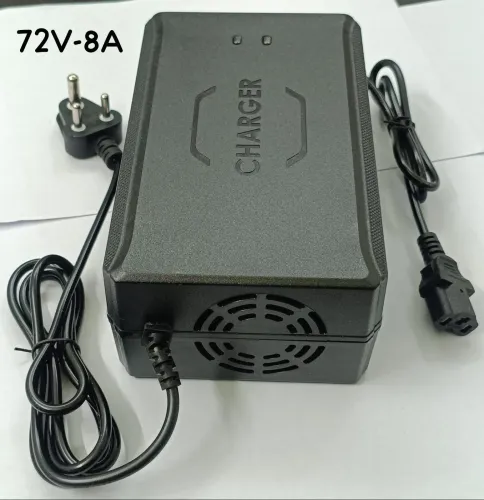
Digitech Sales serves electrical and charging-component requirements in Delhi and can be evaluated by businesses looking for battery chargers, connectors, wires and related EV electrical products.
Before finalising any provider, create a requirement sheet and compare proposed products against it line by line. This keeps the decision focused on compatibility, integration and supply requirements.
Choosing charging equipment becomes much easier when the project specification is clear. The strongest procurement decisions begin with understanding the battery system first and then selecting equipment designed to work within those requirements.
Keywords